
Weather resistance comes from the complete opening: correct sizing, appropriate flap count, a square frame, aligned magnets, intact weather strip, sound perimeter sealing and exposure-aware installation. No pet opening should be described as airtight in every condition. The practical goal is to choose the smallest comfortable passage, install it correctly and keep the service parts working as designed.
For an exterior opening, compare single- and double-flap configurations with the pet's strength and the site's weather. A double flap adds a second flexible barrier and an air space, while a single flap usually requires less push force. Small, senior or hesitant pets may need gradual training. Strong wind can affect any flexible flap, so placement on a sheltered face may matter as much as the product options. A fitted security cover closes compatible frames when pet access is not needed.
Frame alignment is essential. If the host door, wall tunnel, screen support or fabricated glass opening pulls the frame out of square, magnets and strikes may not meet evenly. Tighten fasteners evenly and test each flap from both directions. Keep paint, caulk and expanding foam away from moving components unless the exact installation instructions call for a compatible material in that location.
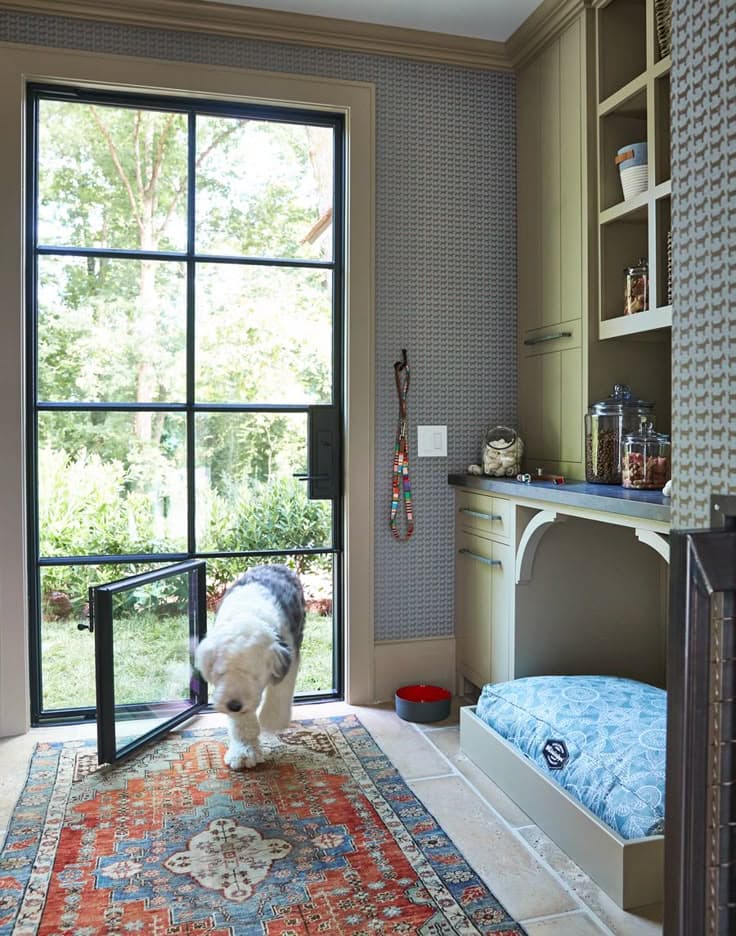
Perimeter sealing depends on the surface. Door installations need a compatible exterior bead without trapping water. Wall installations may need flashing, tunnel protection, slope and rain management integrated with the wall assembly. Masonry, stucco and siding each require an exposure plan appropriate to their drainage system. In-glass work relies on professional glazing as well as the pet-door frame. Screen models provide ventilation access and should not be treated as weather-sealed wall openings.
Inspect flexible flaps, magnets, strikes, weather strip, cover tracks and exterior sealant during normal seasonal maintenance and after severe weather. Clean debris with mild compatible products and replace verified worn parts before misalignment damages connected components. Record the model, named size and flap count so replacements are matched to the installed frame. If moisture staining, persistent drafts or movement appears around the opening, separate product-service questions from building-envelope repairs and have the appropriate installer inspect the condition.