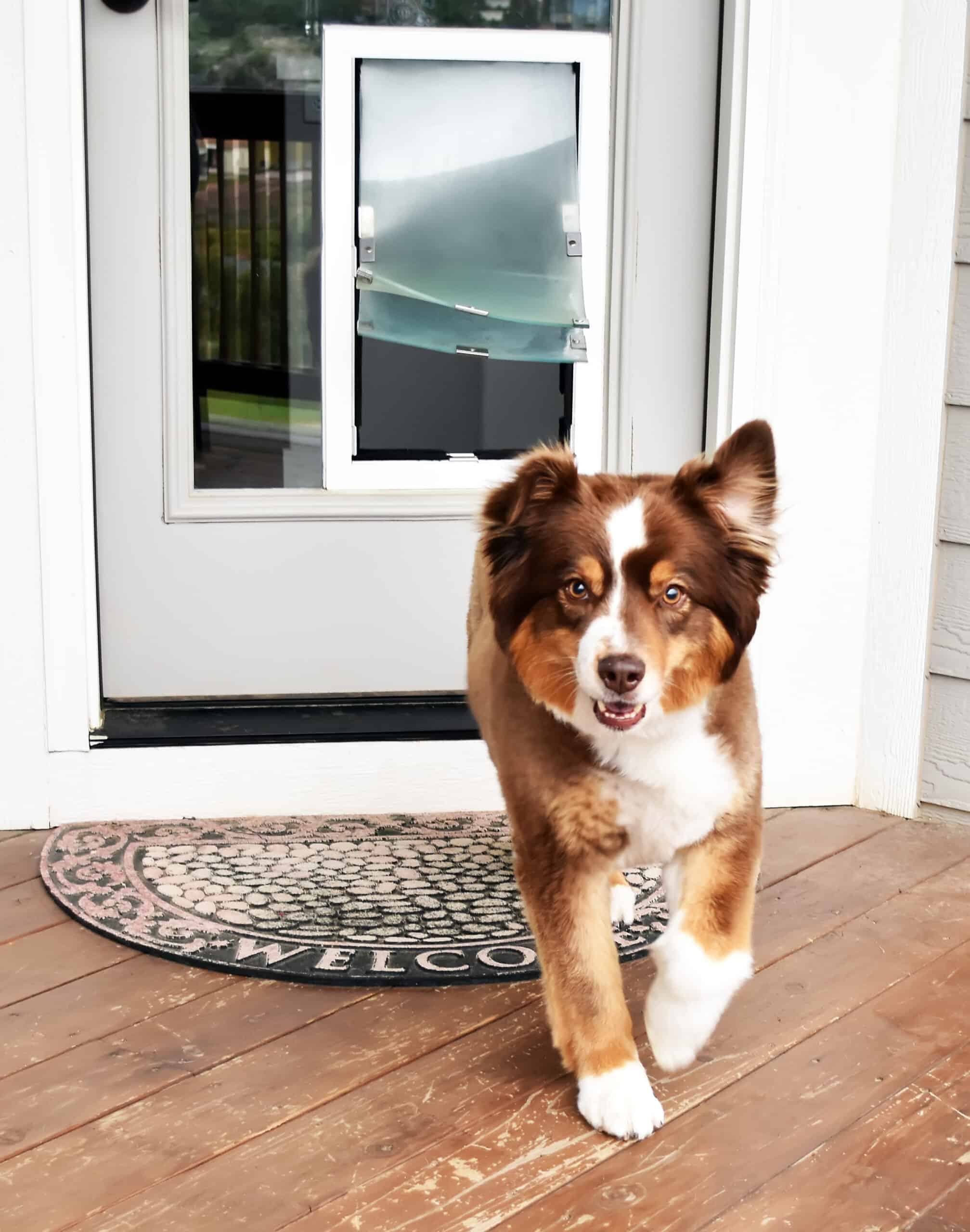
11 photosDoor-Mounted Pet Door
A made-to-order pet door with replaceable service parts, multiple frame colors and configurations for a more precise, lasting fit.
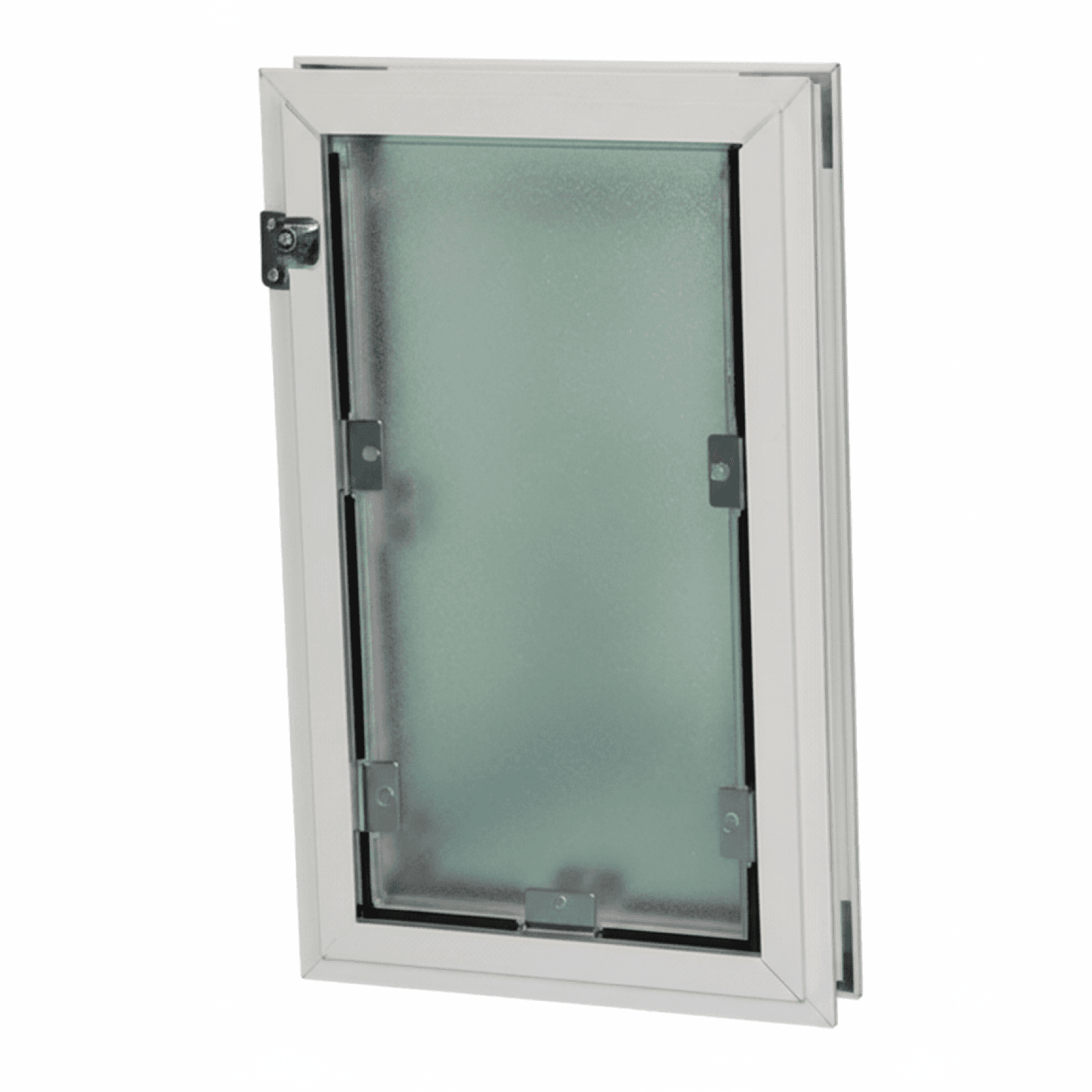
Choose your size →A cold-weather dog door is a complete installation: a correctly sized frame, two serviceable flaps, intact seals and a well-prepared opening.
Choose the installation model first, then verify pet size, rough opening, frame dimensions, finish and flap package.
11 photosA made-to-order pet door with replaceable service parts, multiple frame colors and configurations for a more precise, lasting fit.
Choose your size →
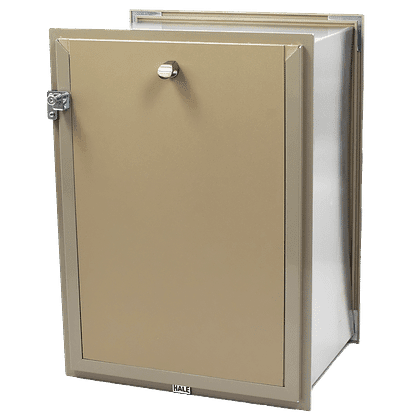
13 photosA made-to-order premium through-wall pet door configured with a tunnel for walls up to 3 inches thick. Choose the pet opening, frame finish, single- or double-flap construction, cover load direction, and optional second…
Choose your size →
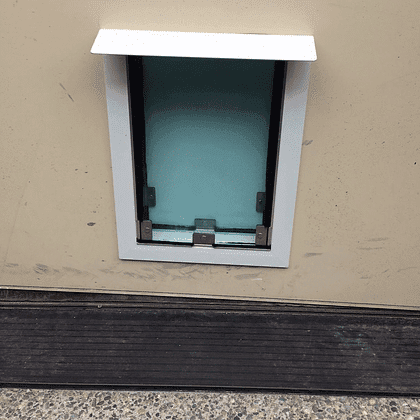
13 photosA durable, weather-sealed pet door engineered for a secure through-wall installation and available in a wide range of sizes.
Choose your size →
13 photosA made-to-order premium through-wall pet door configured with a tunnel for walls up to 16 inches thick. Choose the pet opening, frame finish, single- or double-flap construction, cover load direction, and optional…
Choose your size →
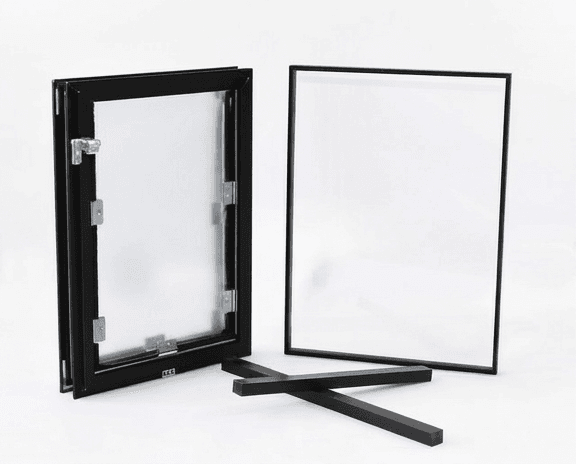
8 photosA made-to-order pet door with replaceable service parts, multiple frame colors and configurations for a more precise, lasting fit.
Choose your size →
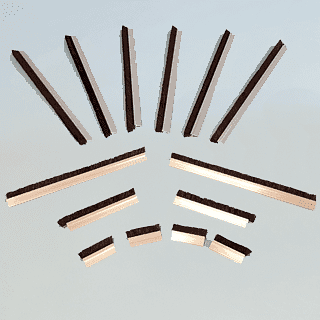
Black nylon weather stripping in metal holders is always used to seal around the flaps of premium pet doors. It has also been used in the past to seal the edges of our panel models where they meet the edge of the door…
Choose your size →
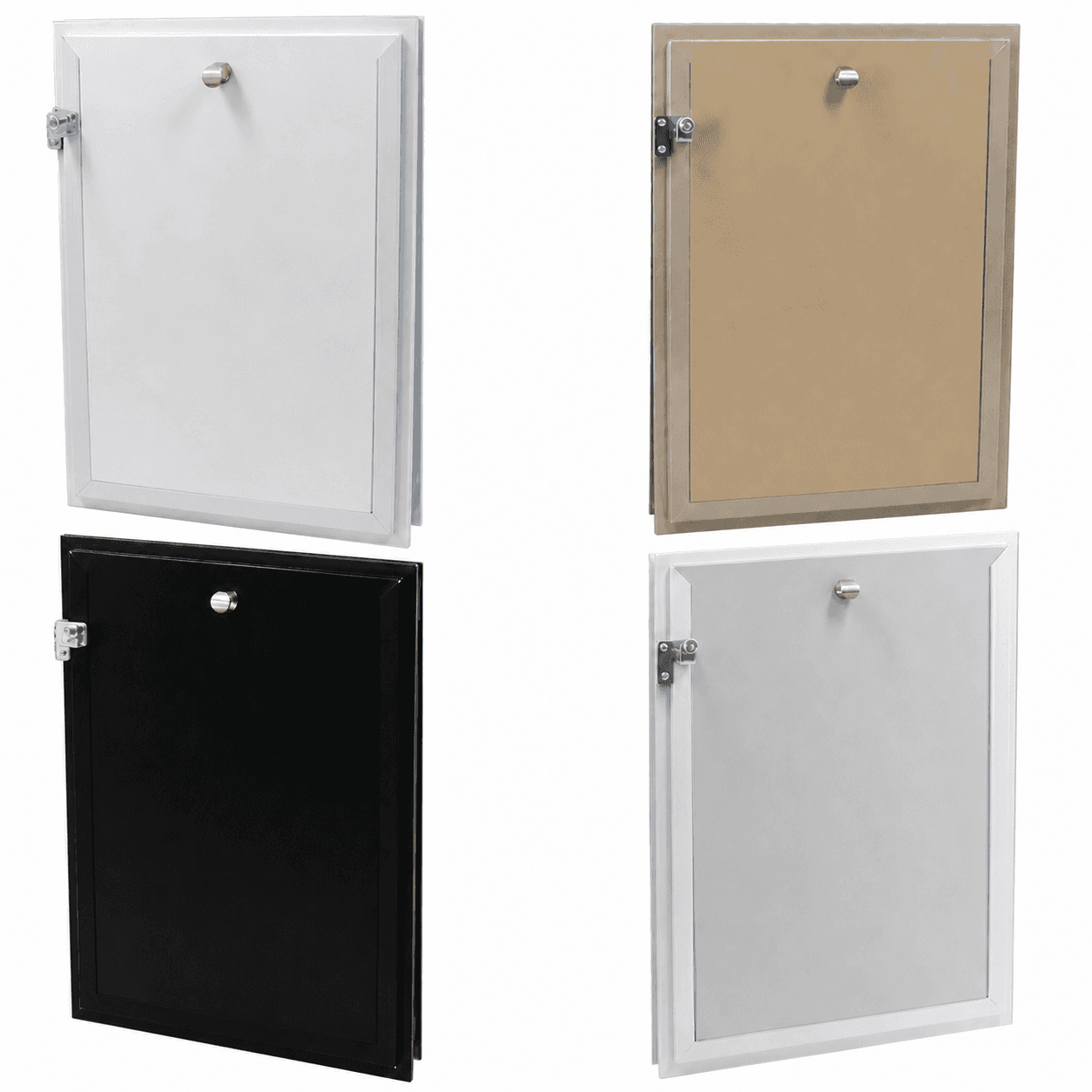
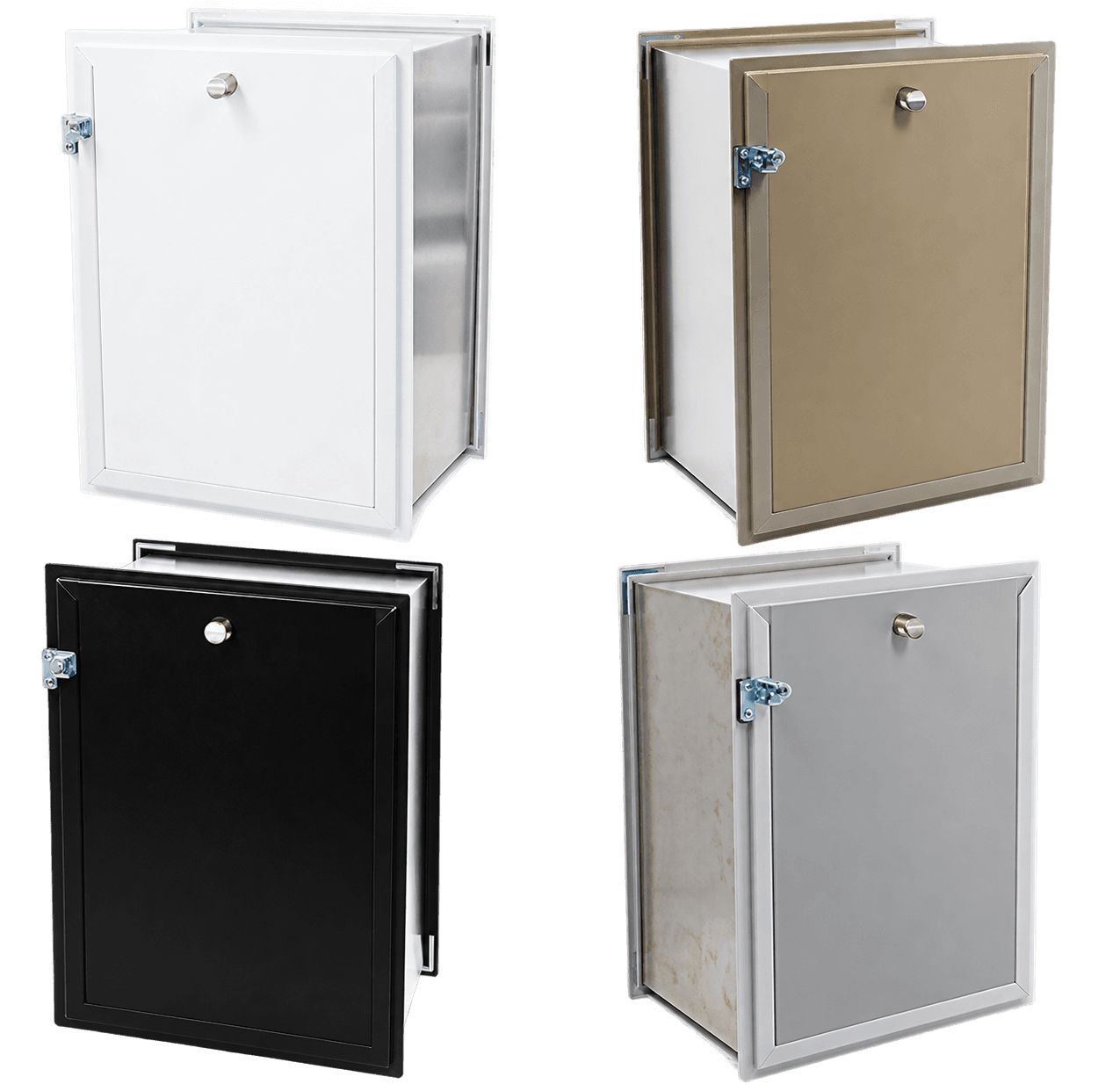
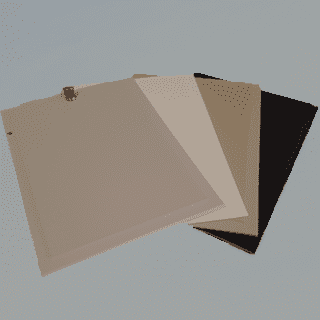
Please pick the appropriate size replacement cover for your pet door. NOTE: Did you purchase your pet door prior to 2005? If so, we will need to make the cover narrower to fit the older metal track we used to use in our…
Choose your size →Double flaps create a second barrier and air space, while aligned magnets and flexible flap edges help each panel return to position after use. A fitted cover closes the opening when pet access is not needed.
Installation quality remains central. Gaps around the frame, poorly sealed wall tunnels, worn flaps or strong wind exposure can undermine even a well-configured product.
Plan for winter with a double-flap exterior model, the smallest comfortable opening, sound perimeter sealing and a fitted cover for periods when access is closed.
Cold-Weather Dog Doors should be compared as a complete assembly rather than a single feature. Flap count, clear-opening area, magnet return, weather strip, cover fit, perimeter sealing and exposure all contribute to real behavior. A double flap adds a second flexible barrier; it does not compensate for an oversized passage, a frame installed out of square or gaps around the opening. Choose the installation surface first, then build the performance package around the climate, wind, rain and the pet’s ability to use it reliably.
Leave enough shoulder and body clearance without creating avoidable open area. Confirm the dog can push both flaps even when vinyl is cooler and less flexible.
Use the smallest clear opening that still permits relaxed passage. That limits unnecessary opening area without sacrificing comfort. Mount the frame so the pet can step through and push the selected flap package in one natural motion. Very small, elderly or hesitant pets may find added flap resistance difficult at first. Confirm behavior during supervised training and reconsider flap count or mounting height if the animal consistently backs away, crawls or strikes the lower edge.
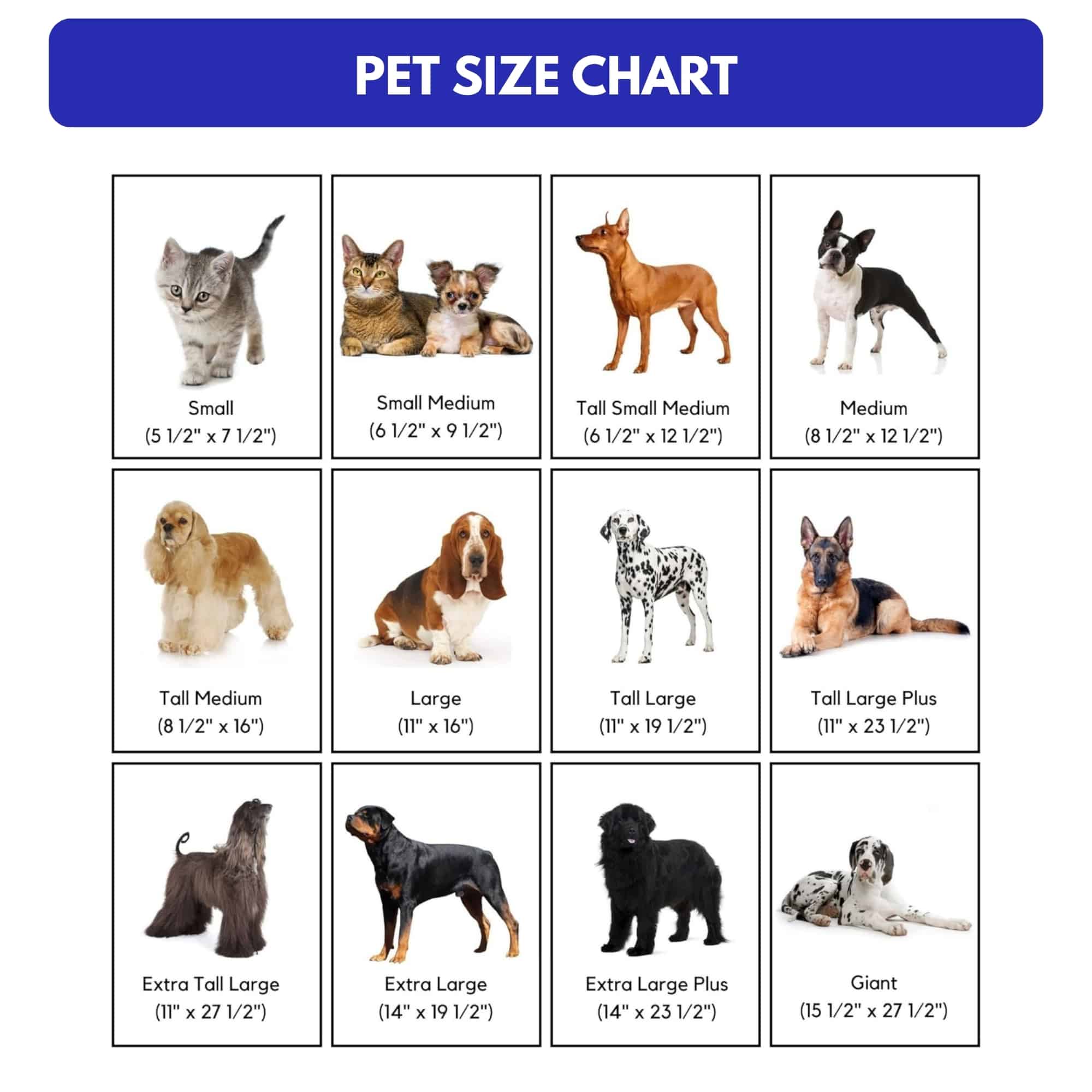
Dog Doors Depot carries 11 standard flap sizes from Small Medium through Giant, including tall intermediate sizes that separate height from width. Use the individual animal rather than the label as the decision-maker. After the clear opening is selected, compare the exact product variant because model families can use different frame, tunnel and cutout relationships. If every standard choice creates a meaningful compromise, use the custom-size workflow and keep the submitted dimensional basis attached to the order.
Cold-climate performance depends on the building connection. Seal the frame, finish the tunnel, protect exposed wall openings and keep the assembly square.
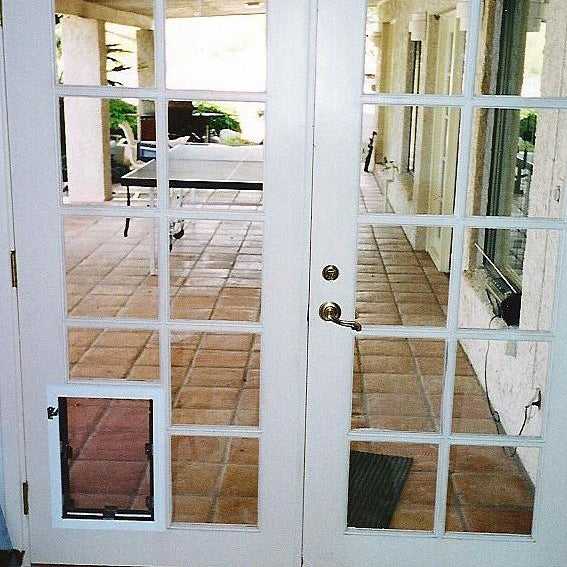
Performance is often lost at the connection to the building. Keep the frame square, seal the perimeter, finish wall tunnels and protect exposed openings from bulk water. Do not cover intended drainage paths with sealant. Align magnets and strikes after fasteners are tightened, then cycle both flaps repeatedly from each direction. A fitted cover should load and seat without binding. These checks belong in the installation scope rather than being postponed until a draft or leak is noticed.
Clean magnets and flap edges, replace worn weather strip and close the fitted cover during severe weather or long periods without pet traffic.
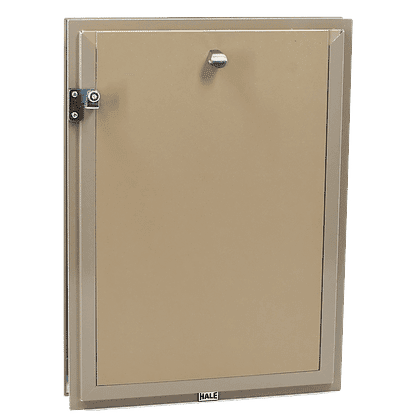
Flexible components change with use and exposure. Clean flap edges and magnets, remove hair or grit from contact points, inspect weather strip and replace panels that curl, crack or no longer return to position. Review exterior caulk and flashing as part of normal building maintenance. Close the fitted cover when pet access is not needed or during severe conditions. No pet opening is maintenance-free, but a serviceable system allows worn components to be corrected without replacing the entire frame.
Do not promise zero drafts in every wind condition and do not locate the opening in the most exposed elevation when a sheltered route is available.
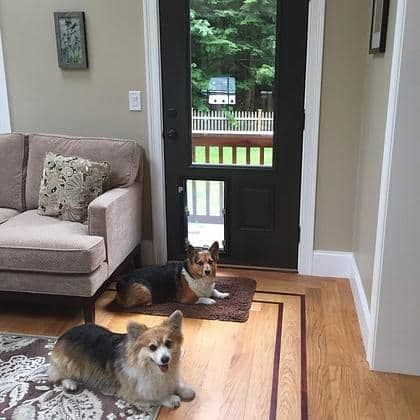
A strong preflight is deliberately repetitive: measure again, check the dimensional label, compare both faces of the opening and read the exact manual. Confirm that the host door, wall, screen, glass or kennel panel remains safe and functional after the cutout. Record uncertainty instead of converting it into a guess. If structure, utilities, ratings, glass type or water management are unclear, pause the product decision and have the appropriate installer or trade verify the condition. That short review is less expensive than correcting an incompatible made-to-order frame.
Move from shortlist to order only after four checks agree. The pet fits the clear opening; the building can accept the rough opening and full frame; the selected model matches the surface and thickness; and the flap, finish, cover and accessory choices match the intended use. Save the product page and model instructions with a labeled measurement sheet. For multiple openings, give each location its own ID and configuration. Review every line before submitting because made-to-order dimensions and options should not be inferred from another opening or corrected after fabrication begins.
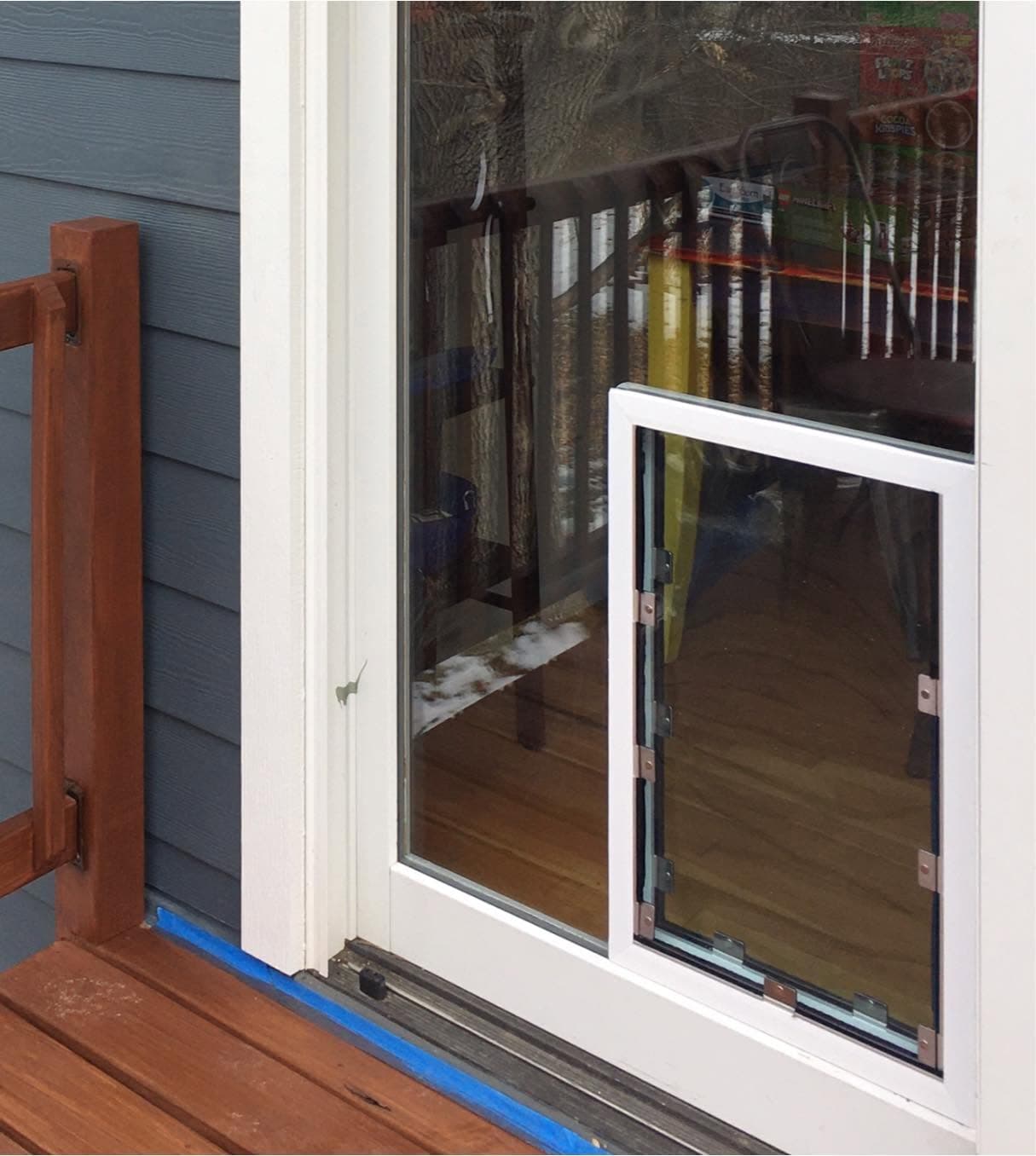
Read the finished configuration back as a complete sentence before approving it: model family, named size or custom dimensions, measurement basis, frame finish, flap count, installation surface, finished thickness and mounting location. Then compare that sentence with the cart, worksheet and installer scope. This catches a correct measurement attached to the wrong model or a correct product attached to the wrong opening. When two pets share the door, confirm the widest body, tallest shoulder and lowest comfortable step-over still work together. Photograph the taped frame outline and keep that image with the order so the installer can verify placement before cutting.
Record the original flap count, magnet and weather-strip arrangement, cover type, exposure and perimeter-seal details. Take a photo of how the flaps sit when new. During maintenance, compare current closure with that baseline and note replacement dates. Performance complaints are easier to diagnose when the original configuration and weather conditions are known. The record also keeps a future service order focused on the worn component instead of turning every draft, rattle or hard-to-close flap into a full-frame replacement.
Before submitting a made-to-order request, make sure the saved measurements tell one clear story: which pet was measured, what each dimension represents, where the door will be installed, and which options were selected. If the project requires a contractor or glass professional, keep that person’s verified construction dimensions beside the pet measurements so neither set is mistaken for the other. A complete record makes the order easier to confirm now and makes future flap, cover, lock or weather-strip service much easier.
Keep the measurement sheet, exact product page and installation manual together through ordering and installation.
Plan for winter with a double-flap exterior model, the smallest comfortable opening, sound perimeter sealing and a fitted cover for periods when access is closed.
Leave enough shoulder and body clearance without creating avoidable open area. Confirm the dog can push both flaps even when vinyl is cooler and less flexible.
Cold-climate performance depends on the building connection. Seal the frame, finish the tunnel, protect exposed wall openings and keep the assembly square.
Clean magnets and flap edges, replace worn weather strip and close the fitted cover during severe weather or long periods without pet traffic.
Plan for winter with a double-flap exterior model, the smallest comfortable opening, sound perimeter sealing and a fitted cover for periods when access is closed. Cold-Weather Dog Doors should be compared as a complete assembly rather than a single feature. Flap count, clear-opening area, magnet return, weather strip, cover fit, perimeter sealing and exposure all contribute to real behavior. A double flap adds a second flexible barrier; it does not compensate for an oversized passage, a frame installed out of square or gaps around the opening. Choose the installation surface first, then build the performance package around the climate, wind, rain and the pet’s ability to use it reliably.
Leave enough shoulder and body clearance without creating avoidable open area. Confirm the dog can push both flaps even when vinyl is cooler and less flexible. Check the clear flap opening for the pet, the rough opening for the cut and the tip-to-tip frame for the available mounting area.
Cold-climate performance depends on the building connection. Seal the frame, finish the tunnel, protect exposed wall openings and keep the assembly square. The exact product instructions and selected SKU should be available before any permanent opening is made.
Clean magnets and flap edges, replace worn weather strip and close the fitted cover during severe weather or long periods without pet traffic. Record the model and size, keep moving surfaces clean and replace only verified compatible service parts.
Measure from the floor to the top of your pet’s shoulders and measure the widest point of the body. The flap should generally sit about 1–2 inches above the shoulders, with a comfortable step-over height. Use the actual pet measurements rather than breed averages.
Yes. Frame color, flap count, size and installation type are selected for your opening. Review the measurements and selected configuration carefully before submitting an order.
Yes. Replacement flaps, flap kits, magnets, weather stripping, locks and covers are available. Match the replacement part to the original pet-door size and model.