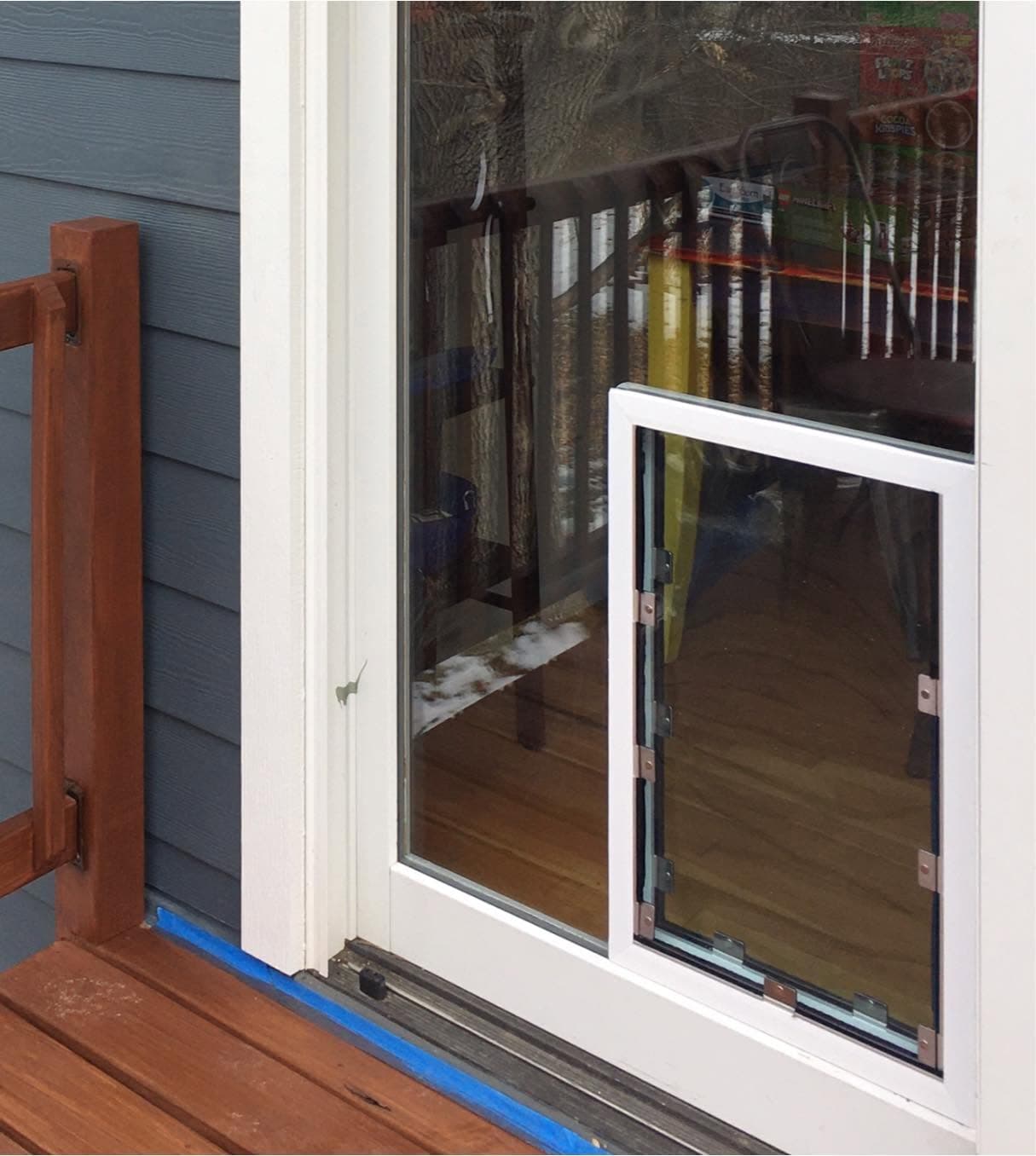
Choosing automatic dog doors
Start by separating motorized automatic doors from electronic locks. A motorized panel opens for the pet; an electronic flap may only unlock and still require the animal to push through. Both can offer controlled access, but they feel different to the pet and place different demands on power, sensors, seals and moving parts.
Then compare pet recognition, directional sensing, entry and exit modes, obstruction response, backup-power options and the exact clear opening. App controls and schedules can be useful, but physical fit, safe movement, reliable local operation and a practical installation plan should come first.
How to choose automatic dog doors
First distinguish a motorized panel from an electronically unlocked flap, then compare how the system identifies the pet and controls travel in each direction.
Compare the complete operating sequence rather than one headline feature. Identify how the pet is recognized, whether the panel moves under power or only unlocks, which direction controls are available, how the opening responds to an obstruction and how it returns to a locked state. Then verify local controls, power-loss behavior, service support and the physical fit of the exact housing. App controls can add convenience, but the door should remain understandable and secure when a phone or internet connection is unavailable.
Fit the pet, then fit the frame
Measure the individual pet for the clear opening and verify the complete housing, cutout, mounting height and sensor range against the proposed location.
The pet still determines the clear passage. Measure shoulder height, body width and a manageable step-over, then observe how the animal approaches and crosses an opening. The product determines the larger cutout and housing clearance. Automatic mechanisms may require space above or beside the clear opening, so tape the complete footprint on both faces and check nearby trim, hardware, framing and traffic paths.
Automatic systems use model-specific openings, housings and mounting clearances. Measure the individual pet, then compare the exact clear opening, cutout, complete housing and mounting height on the model under consideration. Do not transfer a size label or dimension from a conventional flap door to an automatic system. If no verified model fits both pet and building, change the location or wait for a compatible configuration rather than adapting an unconfirmed product.
Plan the installation before choosing a model
Plan the exact door, wall or patio application together with electrical access, cable routing, weather exposure, structure and any backup-power component before cutting.
Use the exact mounting instructions for the model and surface. Door, wall and patio applications may need different frames, tunnels, weather seals and clearances. Plan the outlet, adapter and cable route without creating chew, water, heat or pinch hazards. Walls require structure and utility checks; patio systems must preserve track, lock and screen operation; glass or uncertain construction belongs with a qualified trade.
Weather, service and long-term use
Compare local controls, pet recognition, obstruction response, lock behavior, power-loss behavior, service parts and manual operation before treating app features as the deciding factor.
Automatic systems add pet devices, sensors, controls, power components and moving parts to the opening. Confirm replacement transmitters or tags, batteries, seals, panels and power supplies before purchase. Keep the sensing area and panel path clean, test local controls and the locked state, inspect the power route and review backup power on a routine schedule. Stop automatic use if movement becomes irregular or the housing shifts.
Mistakes to avoid
Do not assume every electronic model opens under power, works without a pet-worn device, fits every surface or remains operational during a power outage.
A strong preflight is deliberately repetitive: measure again, check the dimensional label, compare both faces of the opening and read the exact manual. Confirm that the host door, wall, screen, glass or kennel panel remains safe and functional after the cutout. Record uncertainty instead of converting it into a guess. If structure, utilities, ratings, glass type or water management are unclear, pause the product decision and have the appropriate installer or trade verify the condition. That short review is less expensive than correcting an incompatible made-to-order frame.
From a shortlist to a verified model
Turn the shortlist into a requirements sheet rather than a cart decision. Record activation method, pet-device needs, entry and exit modes, obstruction response, local controls, locked state, power-loss behavior, opening dimensions, complete housing and installation surface. Verify those items on the exact model before treating it as a candidate.
A current availability check should confirm price, included components, shipping, service parts, warranty and compatibility. Until those facts are verified, keep the project in comparison status. Do not substitute a related model's price or feature set, and do not cut an opening from an unconfirmed diagram.
Save a comparison record for the project
Keep the pet measurements, proposed location photographs, surface information, power plan and the exact model documents together. Mark which specifications are verified and which questions remain open. This makes a future availability check useful without presenting a planned product as purchased or installed.
When a model becomes available, replace assumptions with the current price, included components, shipping, warranty, service-part and installation facts. Only then should the record advance from comparison to an order and installation handoff.
Five checks before choosing an automatic system
Keep pet measurements, the proposed opening, power requirements and exact-model documents together while comparing systems.
- Measure the pet and complete housing
- Confirm activation and pet devices
- Verify obstruction and lock behavior
- Plan power loss and local controls
- Check installation and service support
Compare the project from four angles
Primary decision
First distinguish a motorized panel from an electronically unlocked flap, then compare how the system identifies the pet and controls travel in each direction.
Fit check
Measure the individual pet for the clear opening and verify the complete housing, cutout, mounting height and sensor range against the proposed location.
Installation check
Plan the exact door, wall or patio application together with electrical access, cable routing, weather exposure, structure and any backup-power component before cutting.
Ownership check
Compare local controls, pet recognition, obstruction response, lock behavior, power-loss behavior, service parts and manual operation before treating app features as the deciding factor.
Related dog-door collections and guides
Common questions about automatic dog doors
What should I compare first when shopping automatic dog doors?+
First distinguish a motorized panel from an electronically unlocked flap, then compare how the system identifies the pet and controls travel in each direction. Compare the complete operating sequence rather than one headline feature. Identify how the pet is recognized, whether the panel moves under power or only unlocks, which direction controls are available, how the opening responds to an obstruction and how it returns to a locked state. Then verify local controls, power-loss behavior, service support and the physical fit of the exact housing. App controls can add convenience, but the door should remain understandable and secure when a phone or internet connection is unavailable.
How do I know whether automatic dog doors will fit?+
Measure the individual pet for the clear opening and verify the complete housing, cutout, mounting height and sensor range against the proposed location. Check the clear flap opening for the pet, the rough opening for the cut and the tip-to-tip frame for the available mounting area.
What should an installer verify for automatic dog doors?+
Plan the exact door, wall or patio application together with electrical access, cable routing, weather exposure, structure and any backup-power component before cutting. The exact product instructions and selected SKU should be available before any permanent opening is made.
How should I maintain automatic dog doors?+
Compare local controls, pet recognition, obstruction response, lock behavior, power-loss behavior, service parts and manual operation before treating app features as the deciding factor. Record the model and size, keep moving surfaces clean and replace only verified compatible service parts.
Can I use the sizing quiz before comparing automatic dog doors?+
Yes. The sizing quiz is a useful starting point because it asks for the pet, opening type, size and weather conditions before pointing you toward a model family.
What if a listed automatic dog door does not fit?+
Do not extrapolate dimensions or assume a custom version exists. Compare the exact verified models, consider another compatible location and ask about current configuration availability before changing the opening.
Can I order an automatic dog door today?+
Automatic models are being evaluated for the store. Contact us for a current availability update; no automatic model is offered for purchase until its fit, price and fulfillment details are confirmed.
Does an electronic dog door open for the pet?+
Not always. Some electronic models unlock a flap that the pet pushes, while fully automatic models move the panel. Check the exact operating method before comparing price or features.
What happens if power goes out?+
Power-loss behavior depends on the model. Confirm whether backup power is supported, how long it is expected to operate and how the opening can be secured or used manually.