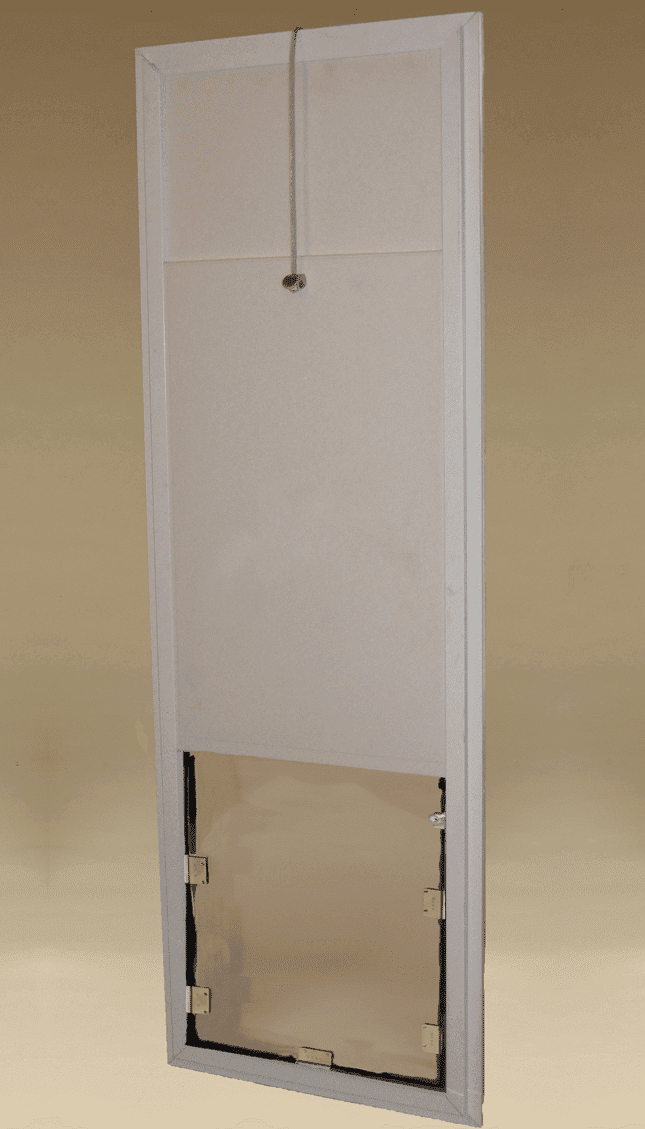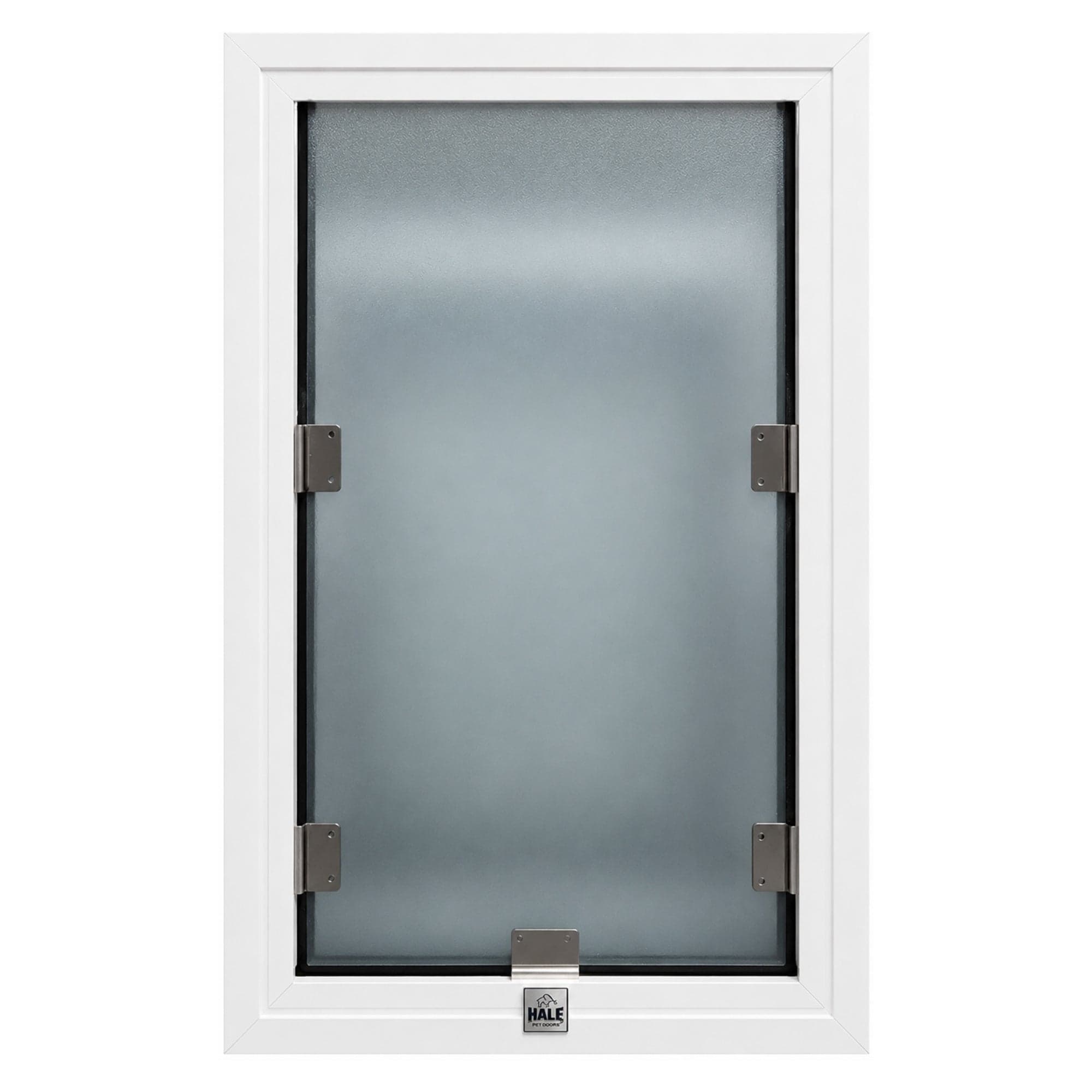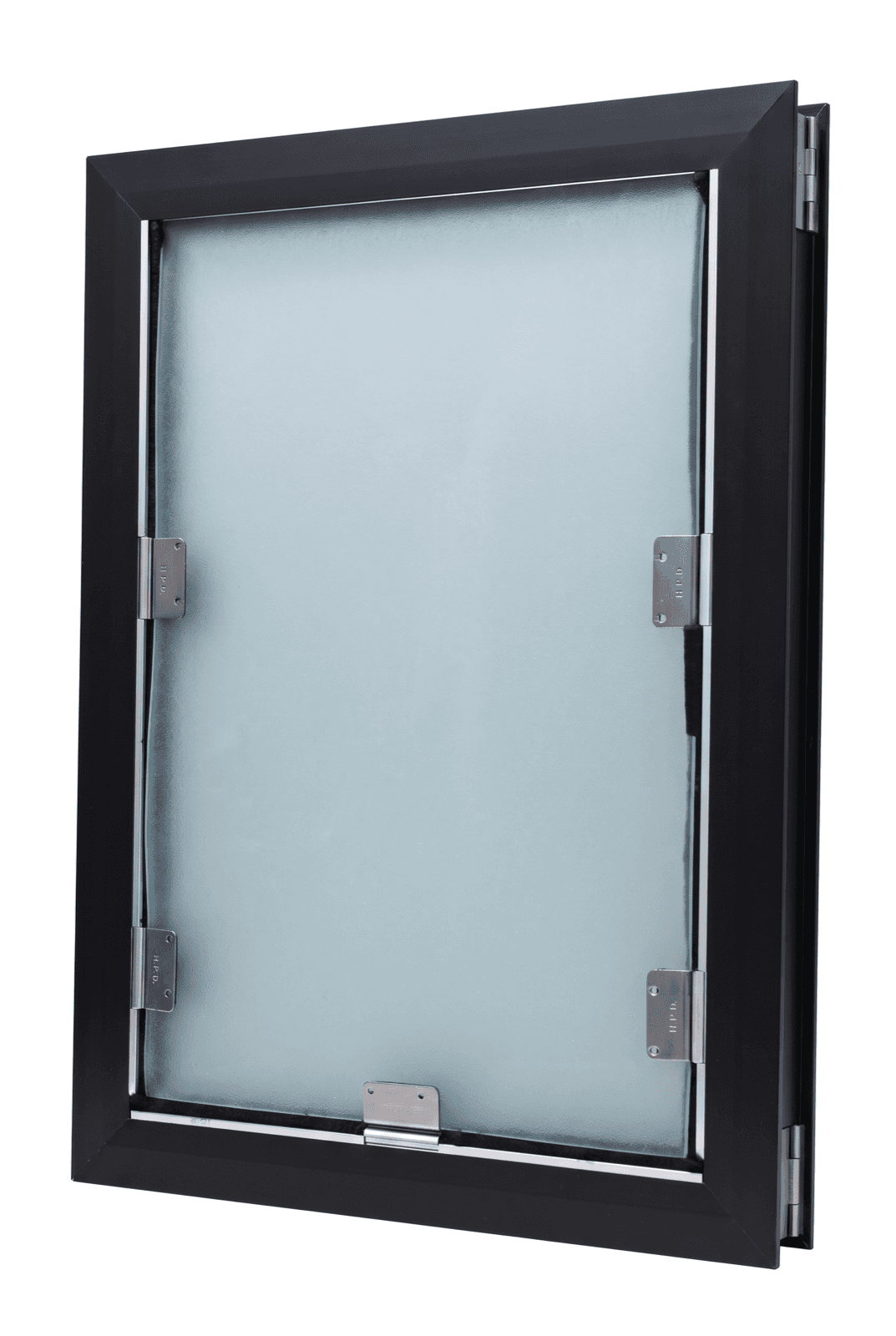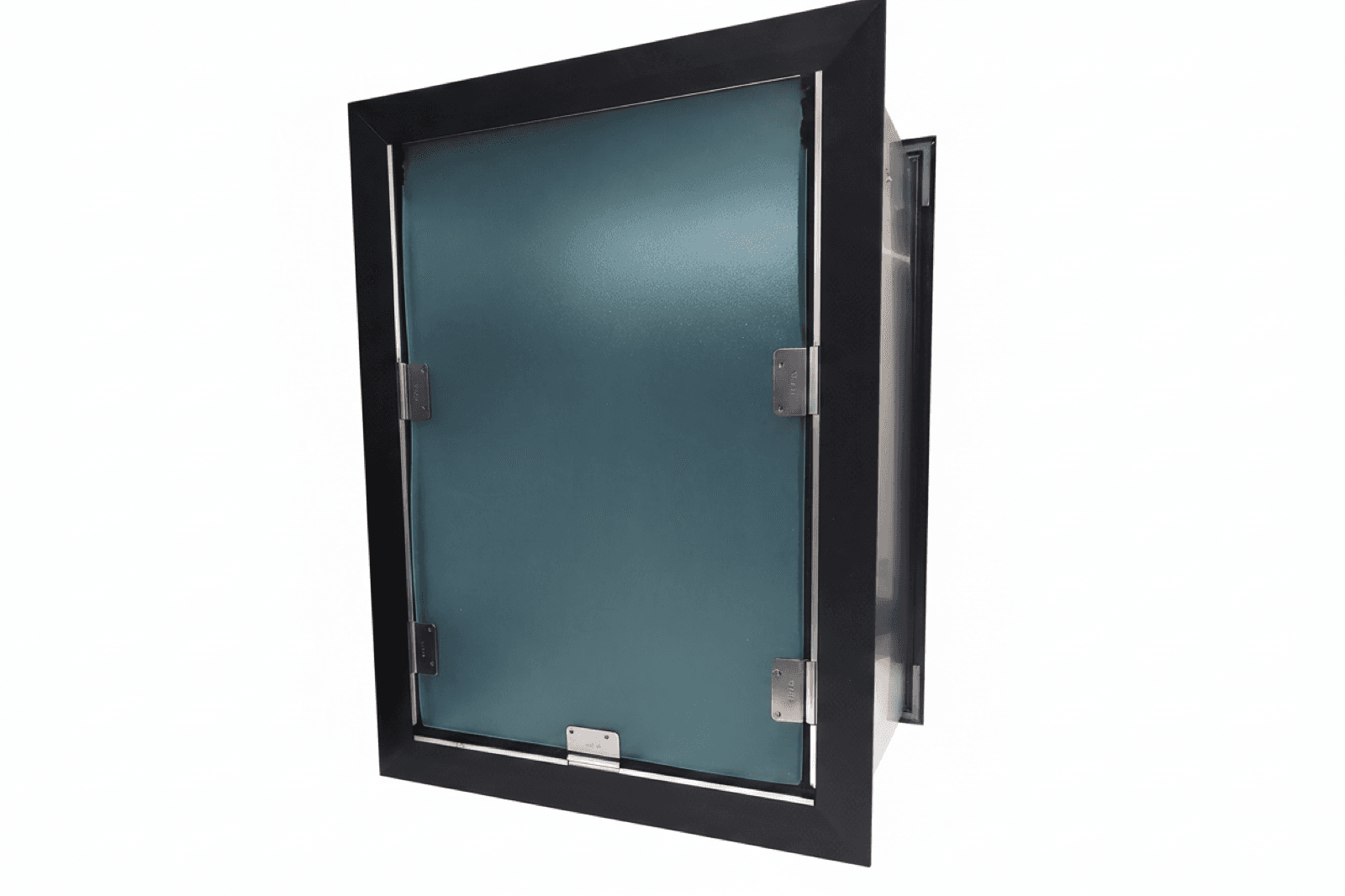
Broad-chested dog fit

Dog Doors for Pit Bulls

Pit bull-type dogs can be broad and muscular through the chest while remaining moderate in height, so width and height should be evaluated separately.

10 matching products

Configure the right fit

Choose the installation model first, then verify pet size, rough opening, frame dimensions, finish and flap package.

Buyer's guide

Choosing dog doors for pit bulls

Measure the widest body point and compare it with the flap width before increasing vertical size. Use the individual dog rather than a type label.

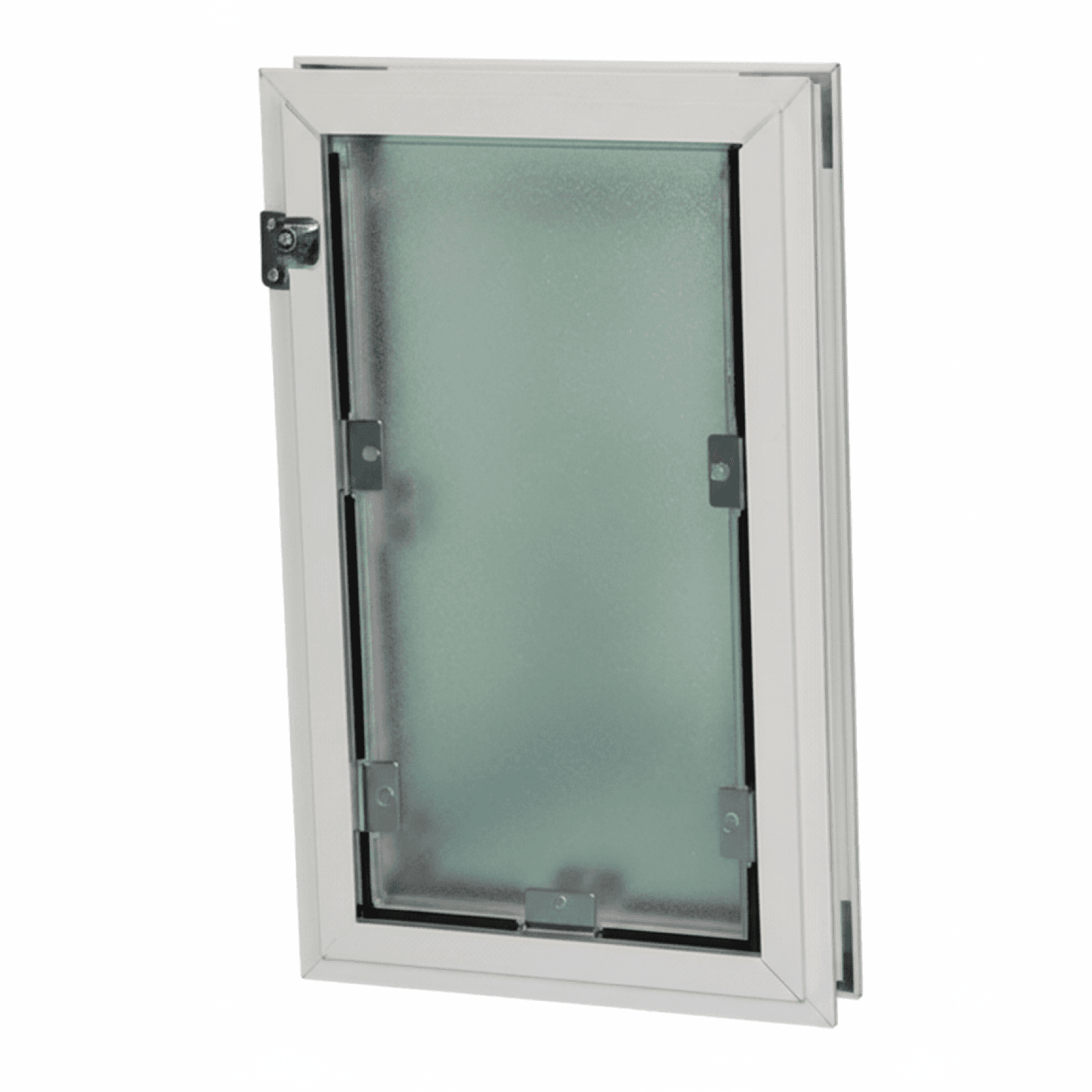
Confirm the larger outer frame is well supported and keep replacement flaps and hardware in the service plan for frequent use.

Buying guidance

How to choose dog doors for pit bulls

Compare width and height separately for the individual pit bull-type dog, whose chest may be broad relative to shoulder height.

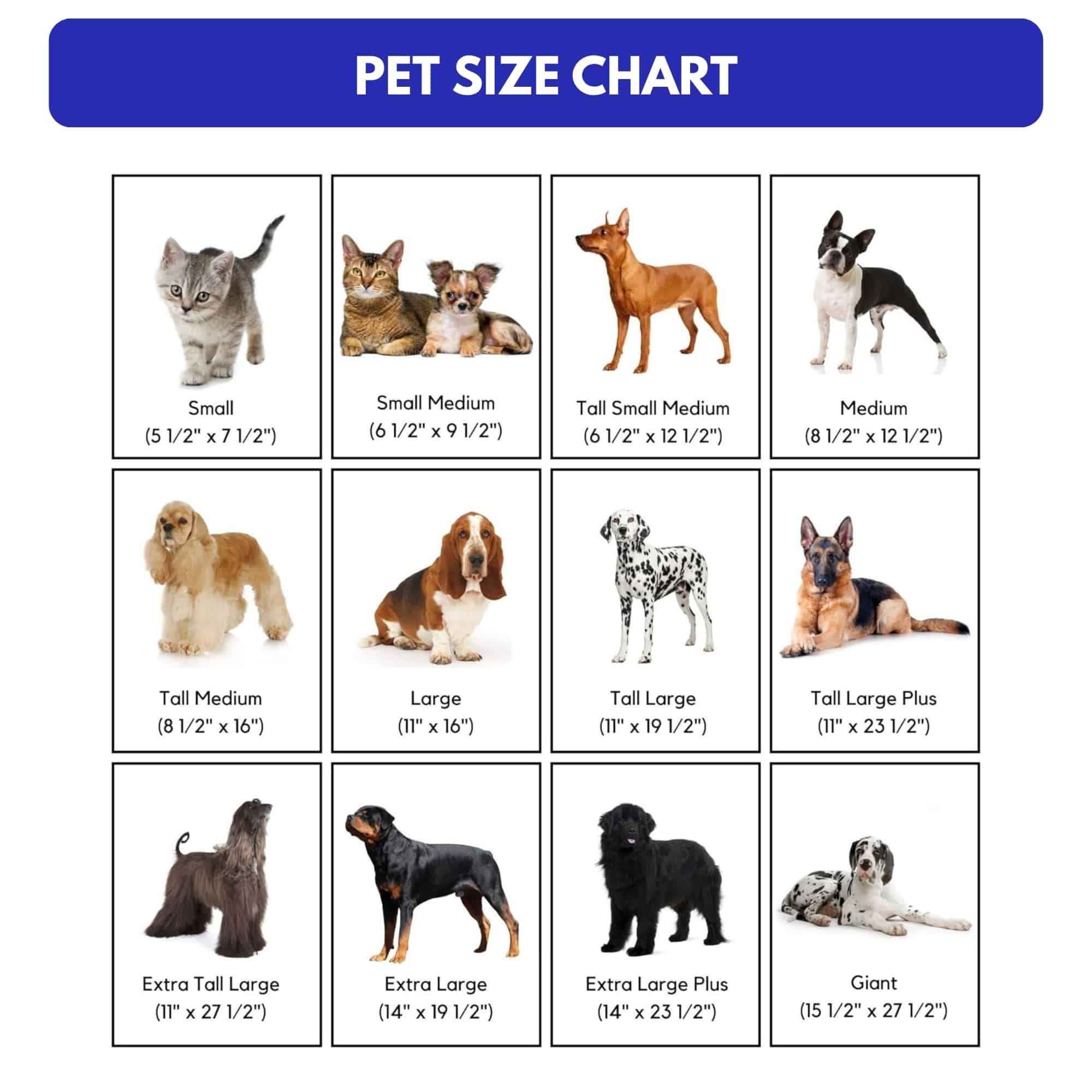
Shopping Dog Doors for Pit Bulls begins with proportions, not a weight bracket. Dogs of similar weight can have very different shoulder height, chest width and leg length. The 11-size system includes tall versions that add vertical clearance without automatically adding width, plus wider XL and Giant choices for broad animals. Compare actual clear openings and watch the animal’s natural gait. The goal is a passage that does not demand a deep crouch, shoulder compression or a jump over an unnecessarily high lower edge.

Buying guidance

Fit the pet, then fit the frame

Measure the widest body point and a comfortable shoulder clearance without jumping to an unnecessarily tall opening.

Take each measurement at least twice. Use the widest body point for horizontal clearance and the top of the shoulders for vertical planning; the head may dip naturally, but the back should not scrape the frame. Establish step-over by considering leg length, age and mobility. For two or more pets, the largest animal controls minimum width and height while the smallest or least mobile animal often controls mounting height. Breed charts are a starting reference only, especially for mixed breeds and dogs outside typical ranges.

Dog Doors Depot carries 11 standard flap sizes from Small Medium through Giant, including tall intermediate sizes that separate height from width. Use the individual animal rather than the label as the decision-maker. After the clear opening is selected, compare the exact product variant because model families can use different frame, tunnel and cutout relationships. If every standard choice creates a meaningful compromise, use the custom-size workflow and keep the submitted dimensional basis attached to the order.

Buying guidance

Plan the installation before ordering

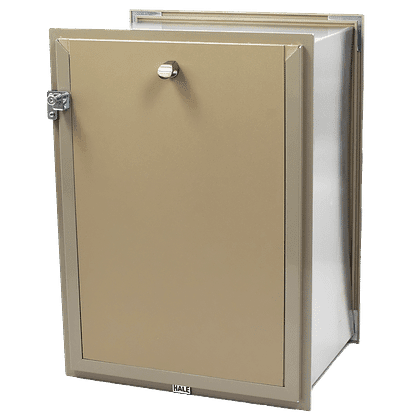
Support the complete frame and verify enough flat area around the wider rough opening.

Once a flap size looks comfortable, stop and check the building dimensions. Larger openings need larger rough cuts and frames, and tall sizes may run into glass, door rails, wall framing or screen crossbars. Tape the full frame outline in the planned position and look at both sides. Confirm the selected model is offered in that size and finish. If no standard option balances animal comfort with available structure, move the location or evaluate a verified custom configuration rather than forcing a near fit.

Buying guidance

Weather, service and long-term use

Plan for active use with serviceable flaps and hardware and an exposure-appropriate flap package.

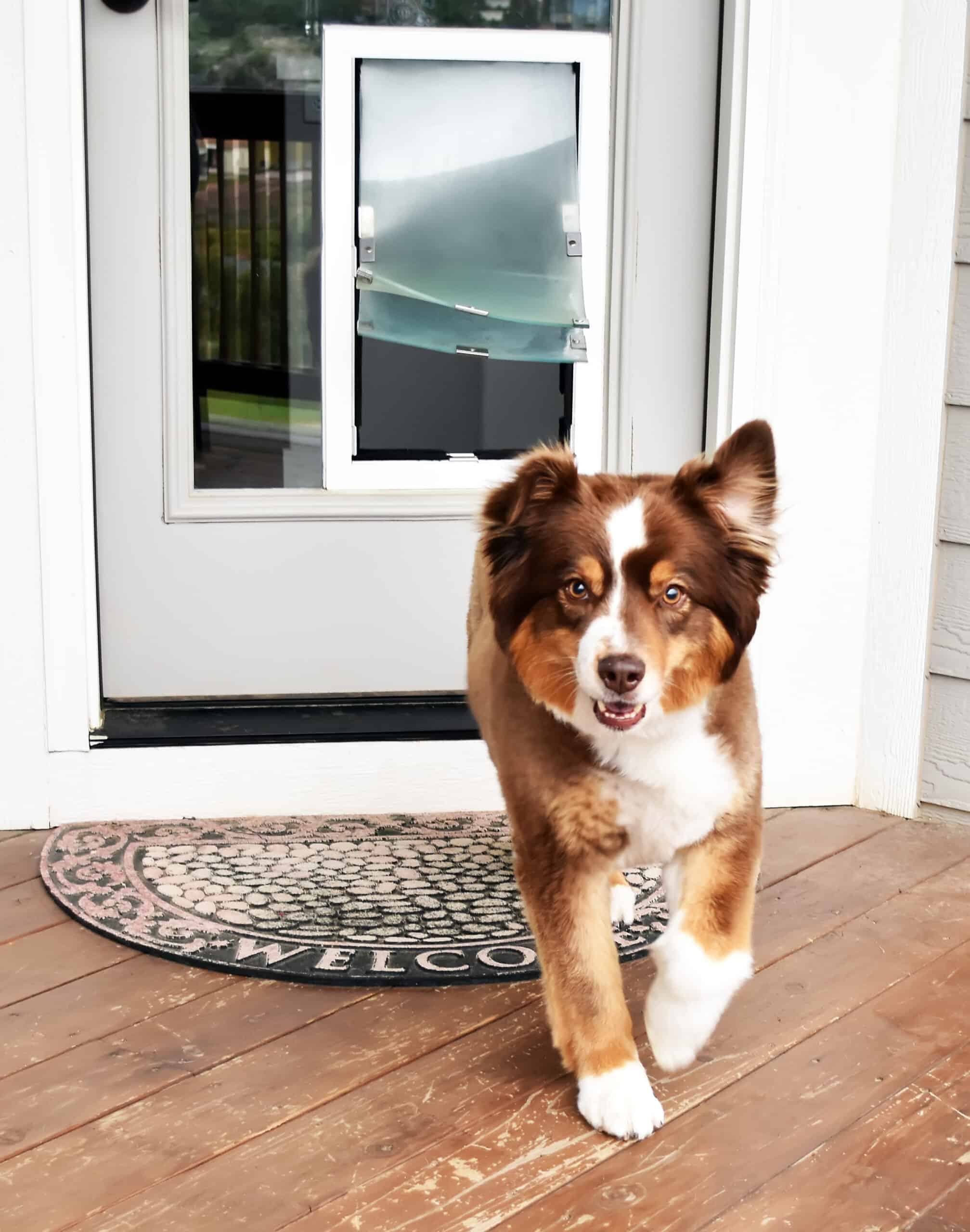
Sizing affects daily performance for the life of the opening. An undersized door can encourage crouching, hesitation or contact with the frame. A greatly oversized opening may increase unnecessary air movement and demand more mounting space. Watch the first training sessions for rubbing, awkward stepping or difficulty pushing the flap package. Keep the lower route clear and inspect flap edges because a pet that repeatedly contacts one side may reveal an alignment or sizing problem worth correcting early.

Buying guidance

Mistakes to avoid

Do not treat one pit bull-type label as a fixed body shape or choose height when the dog primarily needs width.

A strong preflight is deliberately repetitive: measure again, check the dimensional label, compare both faces of the opening and read the exact manual. Confirm that the host door, wall, screen, glass or kennel panel remains safe and functional after the cutout. Record uncertainty instead of converting it into a guess. If structure, utilities, ratings, glass type or water management are unclear, pause the product decision and have the appropriate installer or trade verify the condition. That short review is less expensive than correcting an incompatible made-to-order frame.

Buying guidance

From a shortlist to an order-ready configuration

Move from shortlist to order only after four checks agree. The pet fits the clear opening; the building can accept the rough opening and full frame; the selected model matches the surface and thickness; and the flap, finish, cover and accessory choices match the intended use. Save the product page and model instructions with a labeled measurement sheet. For multiple openings, give each location its own ID and configuration. Review every line before submitting because made-to-order dimensions and options should not be inferred from another opening or corrected after fabrication begins.
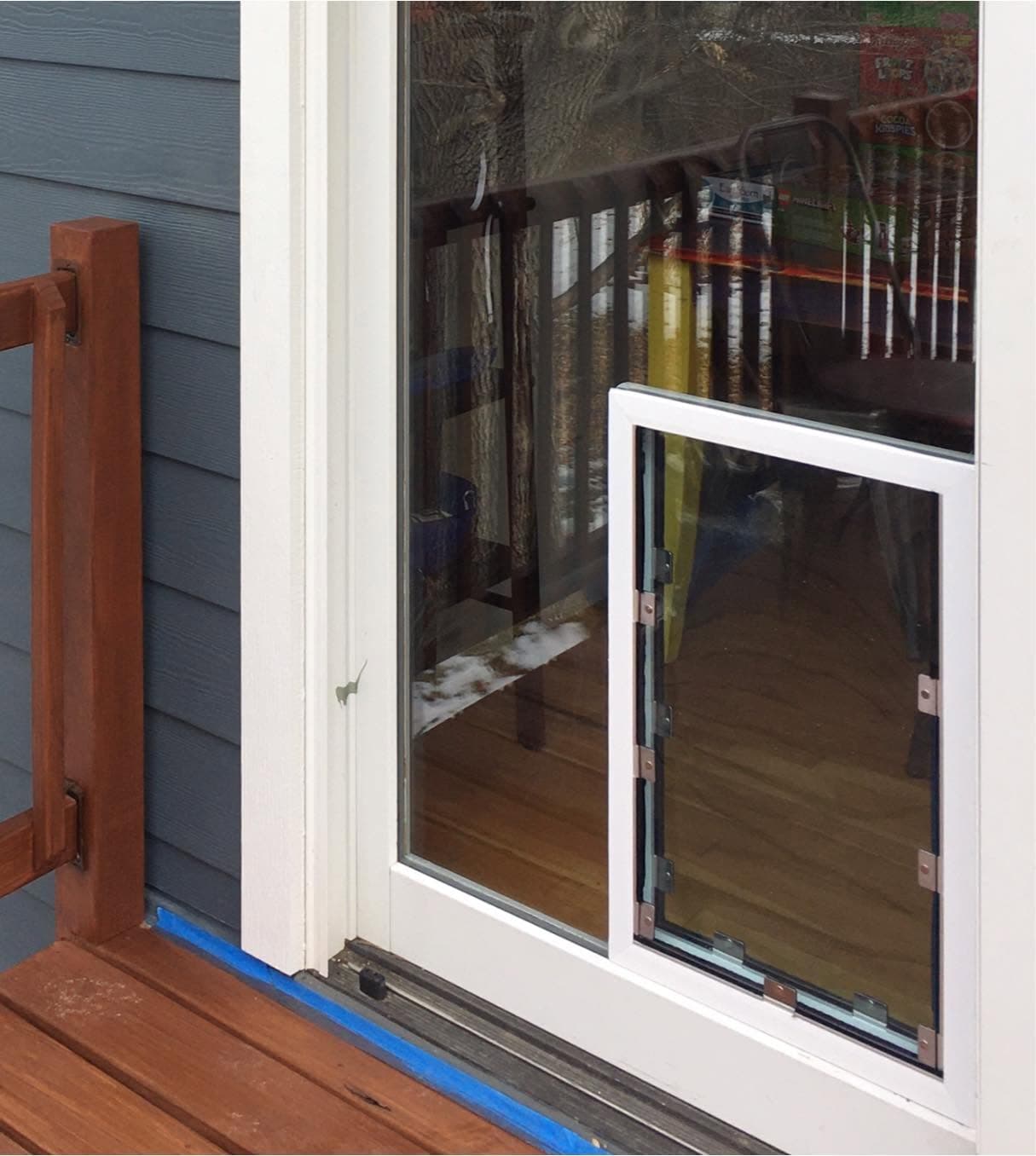
Read the finished configuration back as a complete sentence before approving it: model family, named size or custom dimensions, measurement basis, frame finish, flap count, installation surface, finished thickness and mounting location. Then compare that sentence with the cart, worksheet and installer scope. This catches a correct measurement attached to the wrong model or a correct product attached to the wrong opening. When two pets share the door, confirm the widest body, tallest shoulder and lowest comfortable step-over still work together. Photograph the taped frame outline and keep that image with the order so the installer can verify placement before cutting.

Buying guidance

Save a service record for the installed door

Save the pet measurements that drove the decision along with the selected flap size, mounting height, step-over, rough opening and full frame. For a growing dog, note the age and expected adult range; for a multi-pet home, record which animal controlled width, height and lower-edge placement. Recheck fit if mobility changes. These notes make it easier to decide later whether a behavior problem is training, flap wear, mounting height or a genuine need for a different opening.

Before submitting a made-to-order request, make sure the saved measurements tell one clear story: which pet was measured, what each dimension represents, where the door will be installed, and which options were selected. If the project requires a contractor or glass professional, keep that person’s verified construction dimensions beside the pet measurements so neither set is mistaken for the other. A complete record makes the order easier to confirm now and makes future flap, cover, lock or weather-strip service much easier.

Order-ready checklist

Five checks before a made-to-order purchase

Keep the measurement sheet, exact product page and installation manual together through ordering and installation.

  • Measure shoulder height and body width
  • Set a comfortable step-over
  • Compare actual flap dimensions
  • Check the larger frame footprint
  • Size for every pet using the opening
Decision summary

Compare the project from four angles

Primary decision

Compare width and height separately for the individual pit bull-type dog, whose chest may be broad relative to shoulder height.

Fit check

Measure the widest body point and a comfortable shoulder clearance without jumping to an unnecessarily tall opening.

Installation check

Support the complete frame and verify enough flat area around the wider rough opening.

Ownership check

Plan for active use with serviceable flaps and hardware and an exposure-appropriate flap package.

Continue comparing

Related dog-door collections and guides

Common questions about dog doors for pit bulls

What should I compare first when shopping dog doors for pit bulls?+

Compare width and height separately for the individual pit bull-type dog, whose chest may be broad relative to shoulder height. Shopping Dog Doors for Pit Bulls begins with proportions, not a weight bracket. Dogs of similar weight can have very different shoulder height, chest width and leg length. The 11-size system includes tall versions that add vertical clearance without automatically adding width, plus wider XL and Giant choices for broad animals. Compare actual clear openings and watch the animal’s natural gait. The goal is a passage that does not demand a deep crouch, shoulder compression or a jump over an unnecessarily high lower edge.

How do I know whether dog doors for pit bulls will fit?+

Measure the widest body point and a comfortable shoulder clearance without jumping to an unnecessarily tall opening. Check the clear flap opening for the pet, the rough opening for the cut and the tip-to-tip frame for the available mounting area.

What should an installer verify for dog doors for pit bulls?+

Support the complete frame and verify enough flat area around the wider rough opening. The exact product instructions and selected SKU should be available before any permanent opening is made.

How should I maintain dog doors for pit bulls?+

Plan for active use with serviceable flaps and hardware and an exposure-appropriate flap package. Record the model and size, keep moving surfaces clean and replace only verified compatible service parts.

How do I choose the right pet door size?+

Measure from the floor to the top of your pet’s shoulders and measure the widest point of the body. The flap should generally sit about 1–2 inches above the shoulders, with a comfortable step-over height. Use the actual pet measurements rather than breed averages.

Are these pet doors made to order?+

Yes. Frame color, flap count, size and installation type are selected for your opening. Review the measurements and selected configuration carefully before submitting an order.

Can I replace the flaps later?+

Yes. Replacement flaps, flap kits, magnets, weather stripping, locks and covers are available. Match the replacement part to the original pet-door size and model.