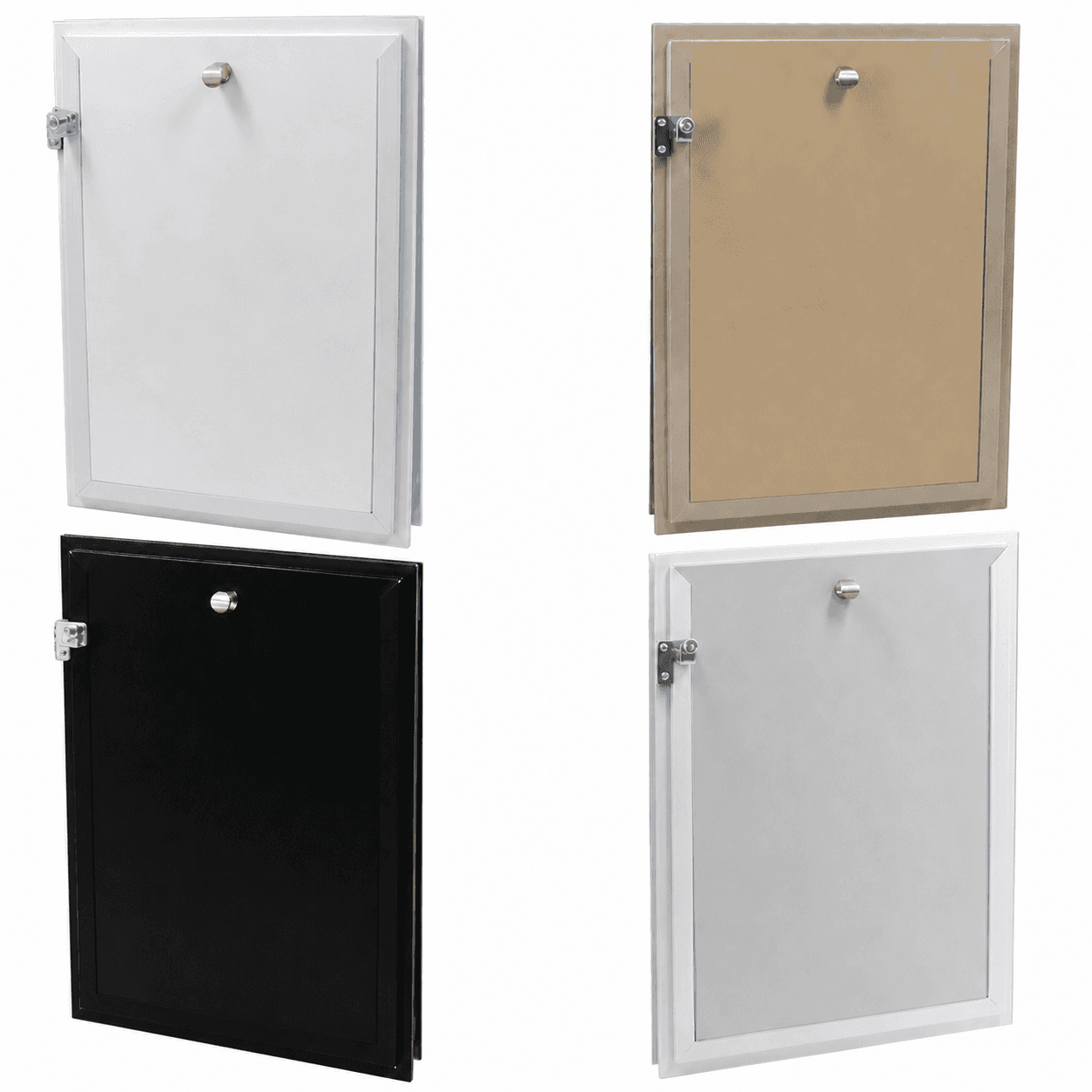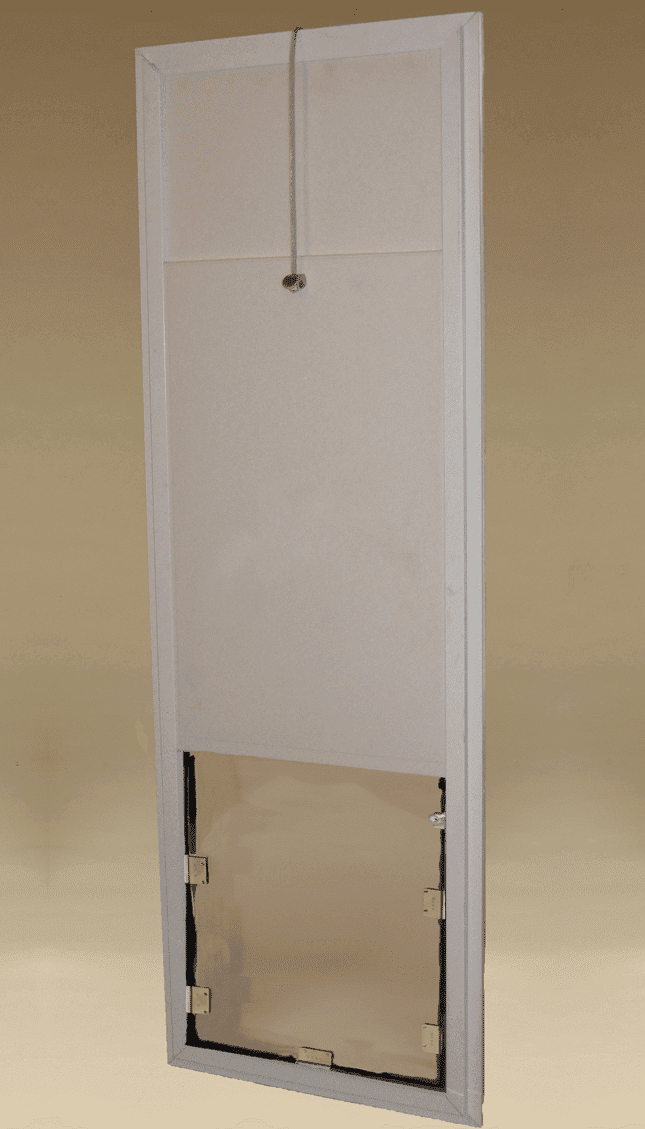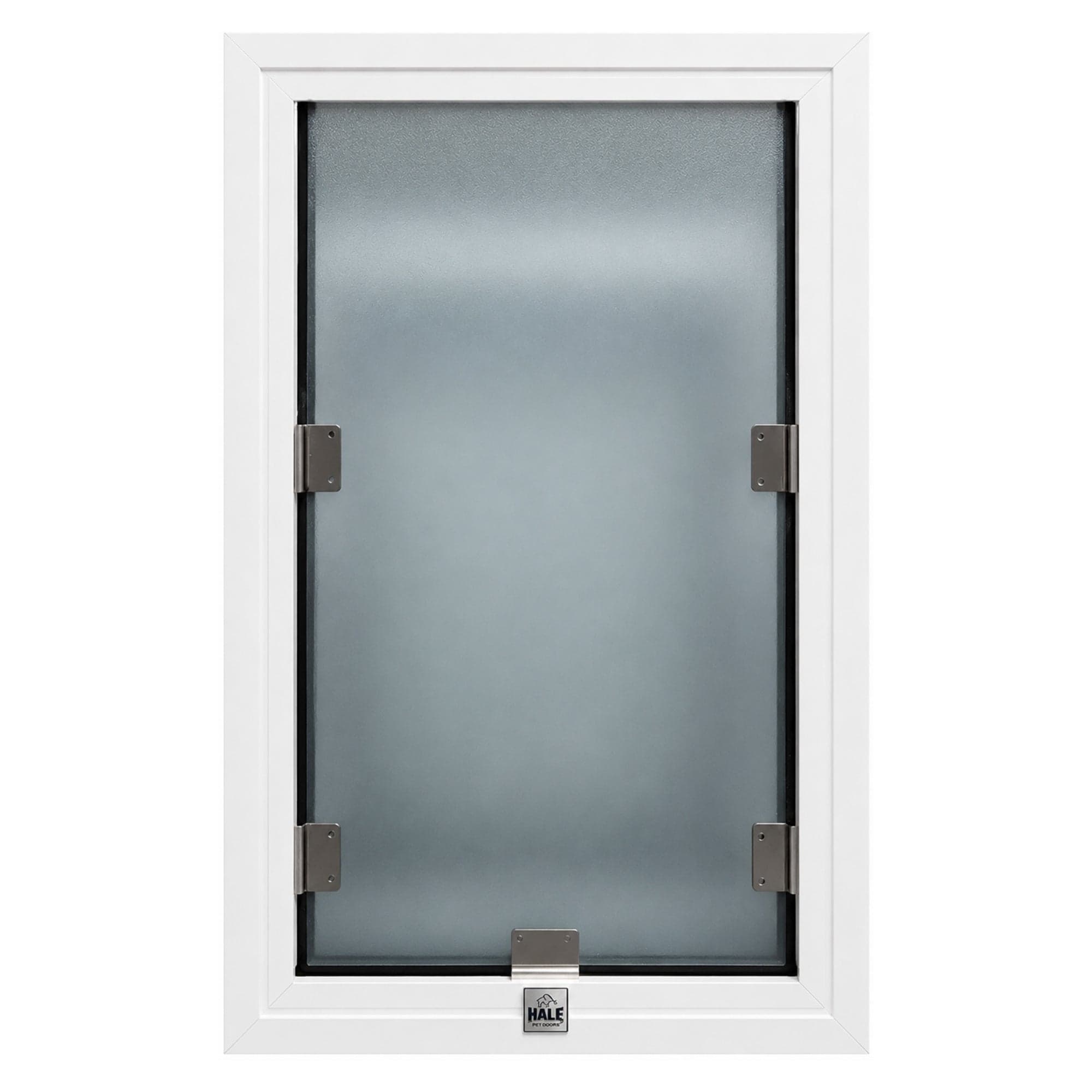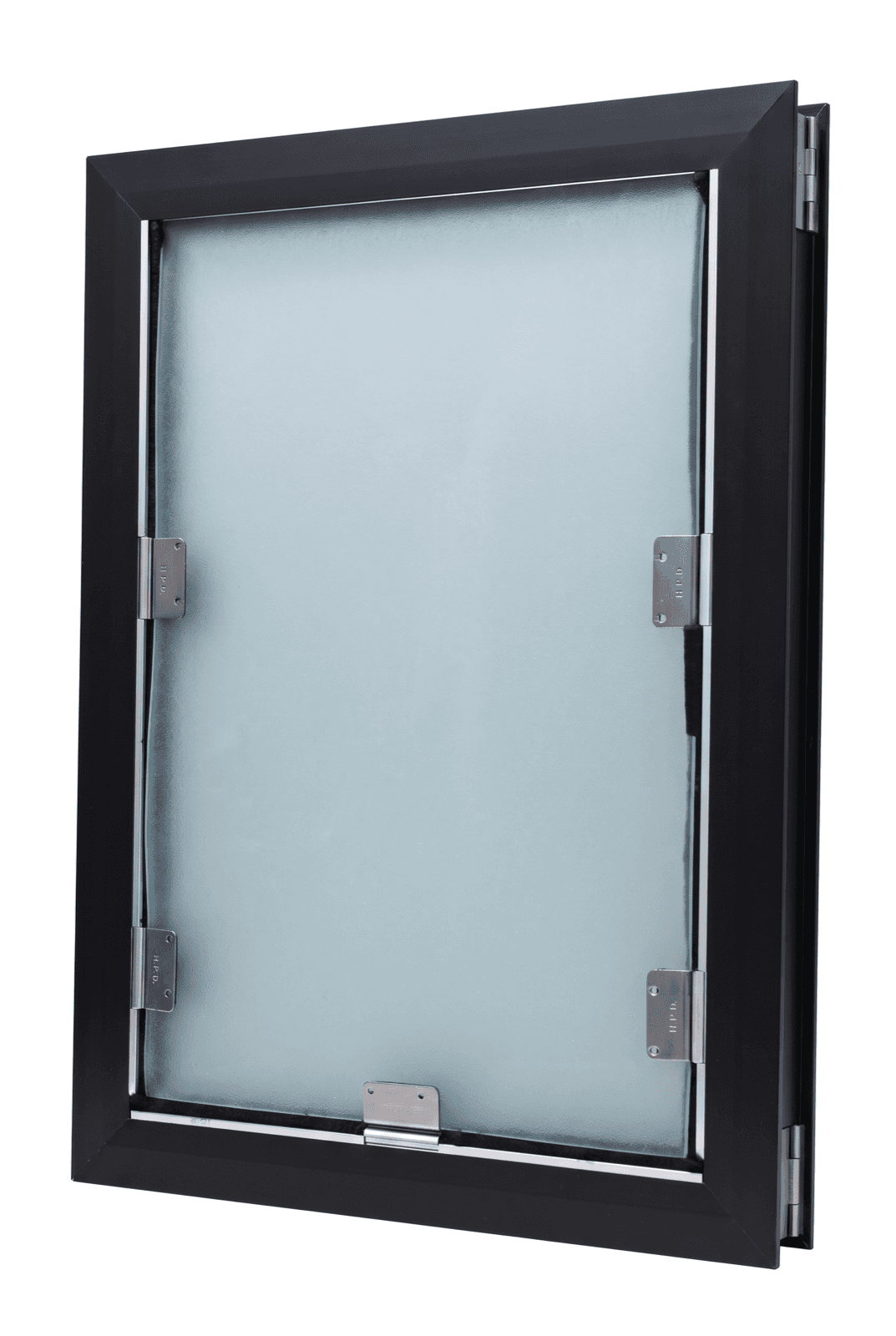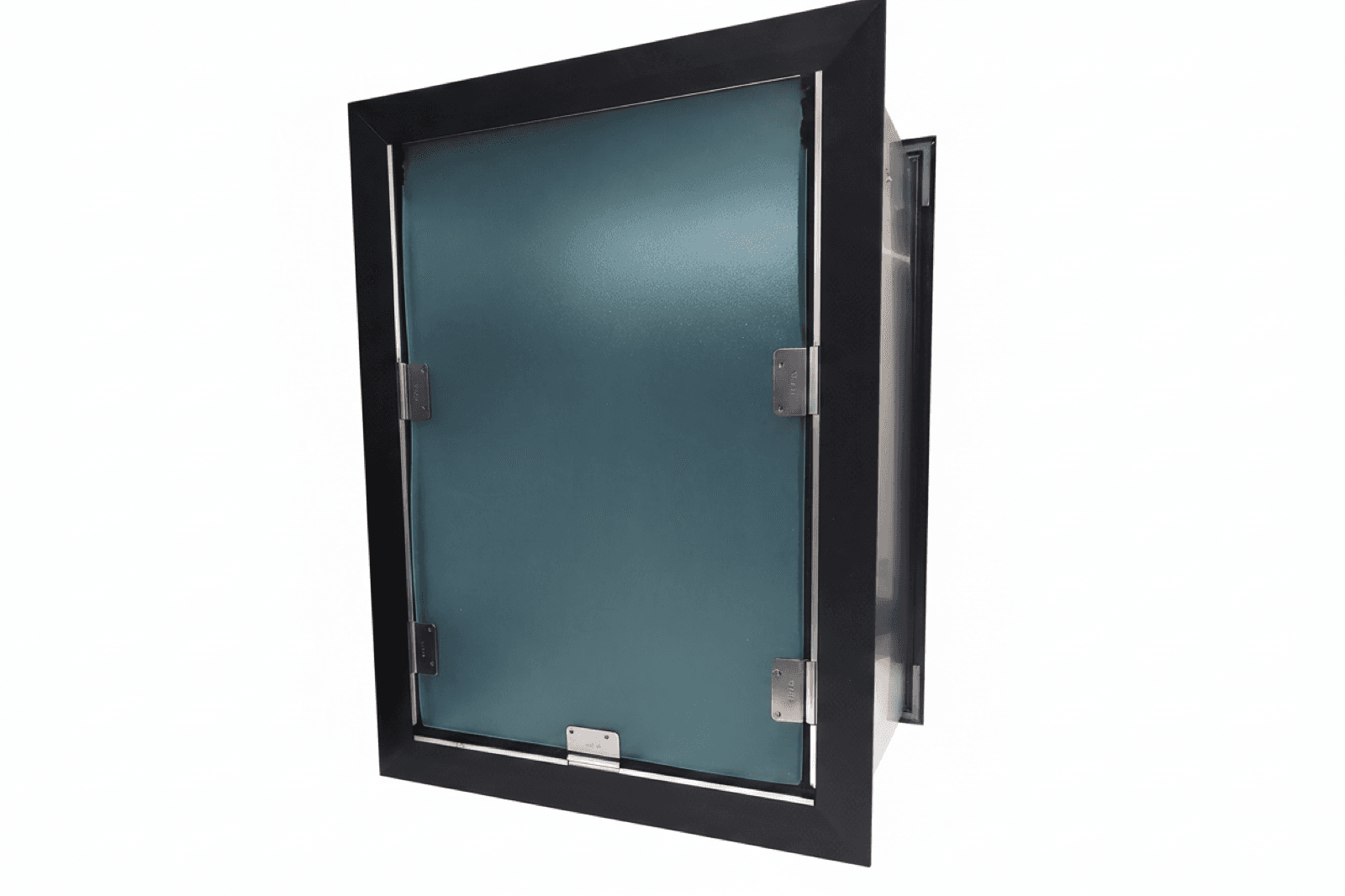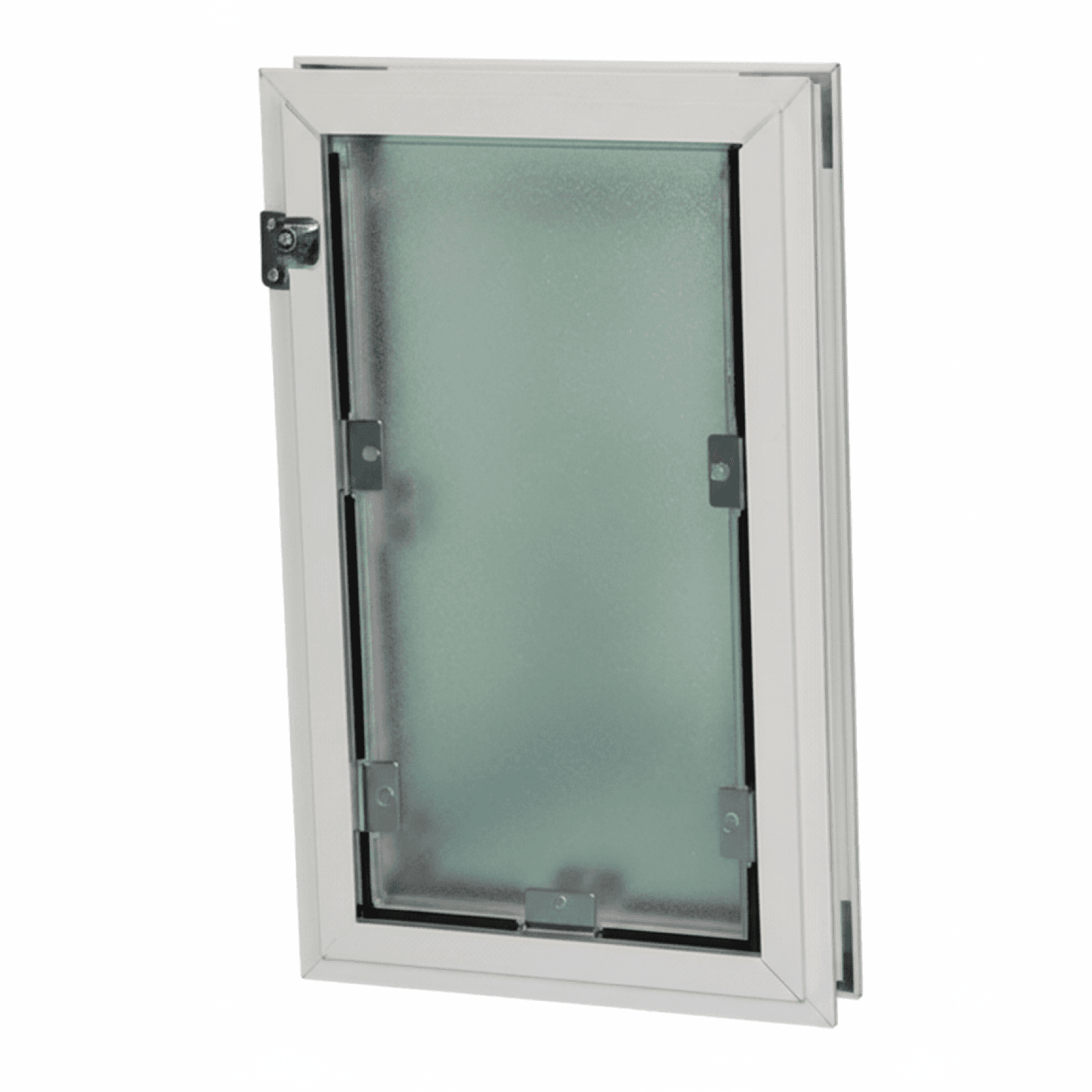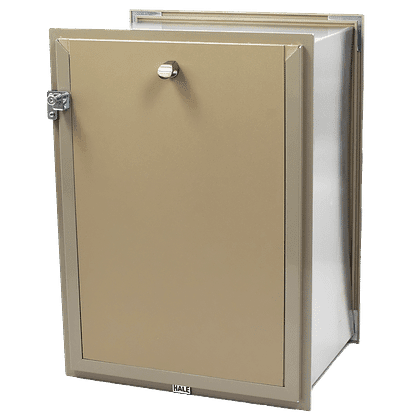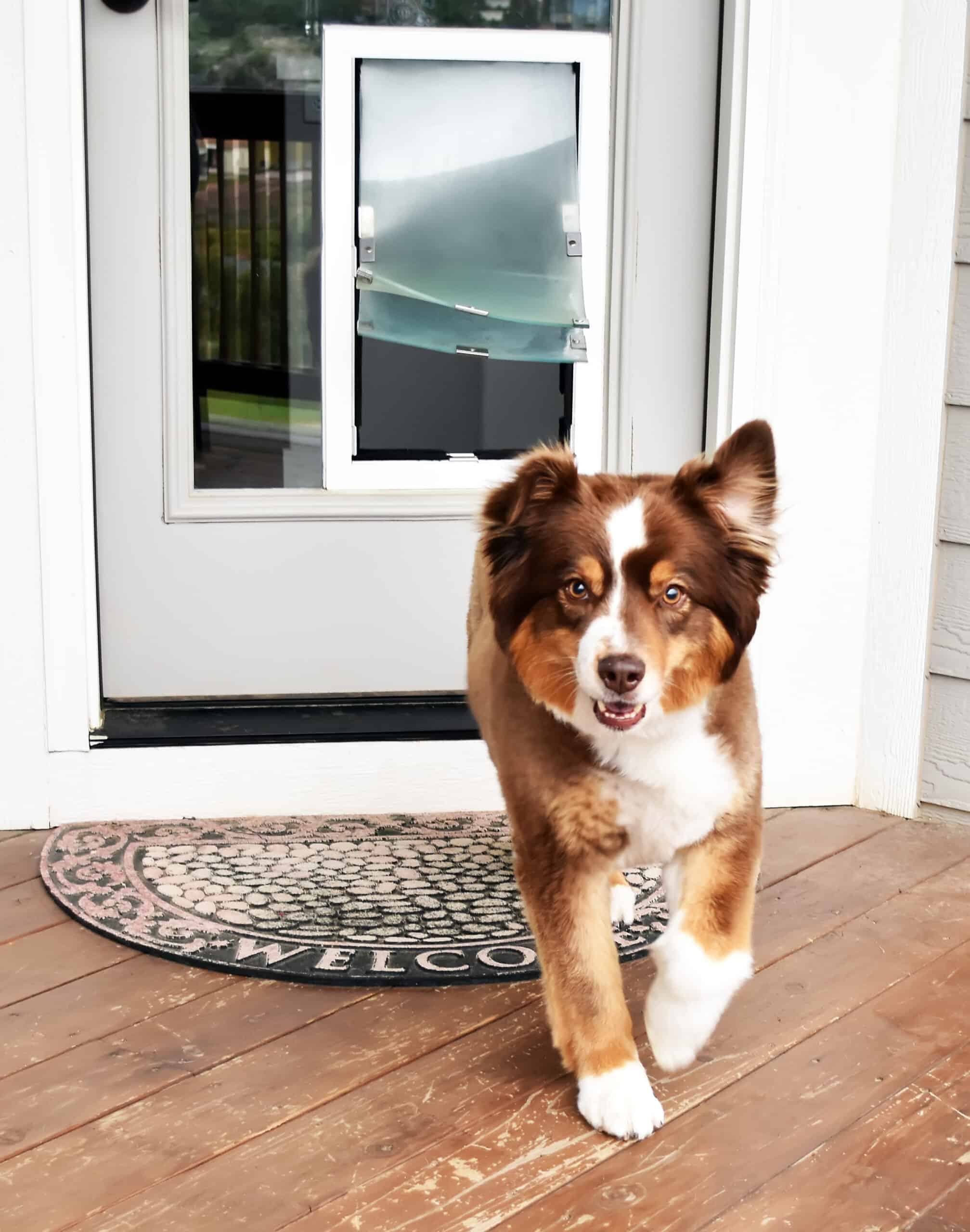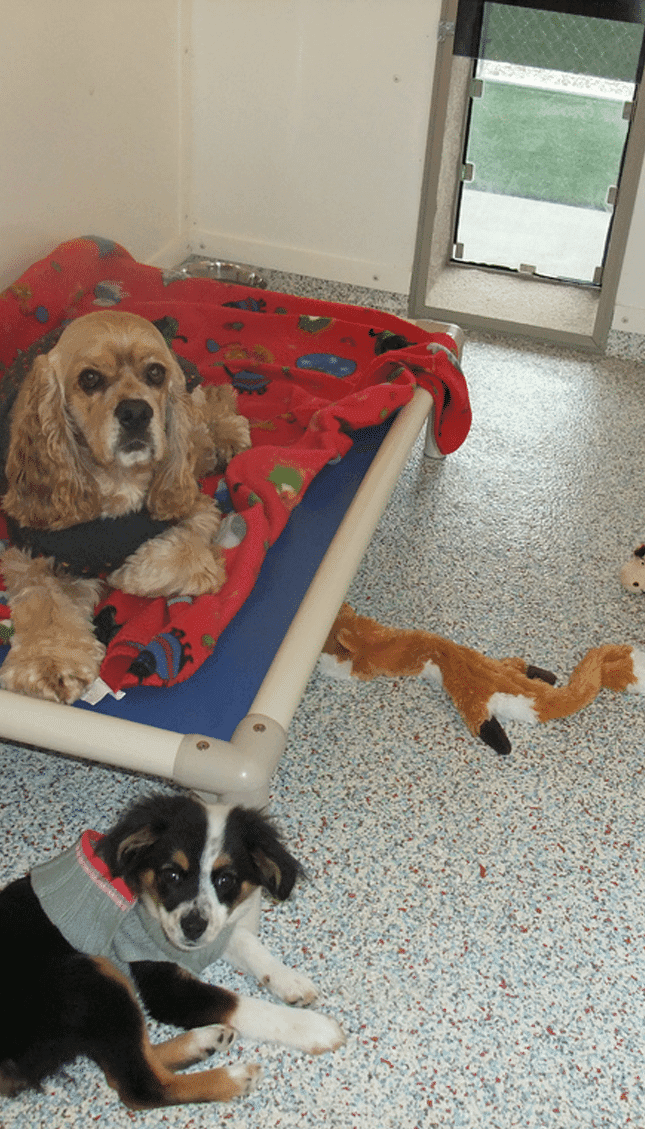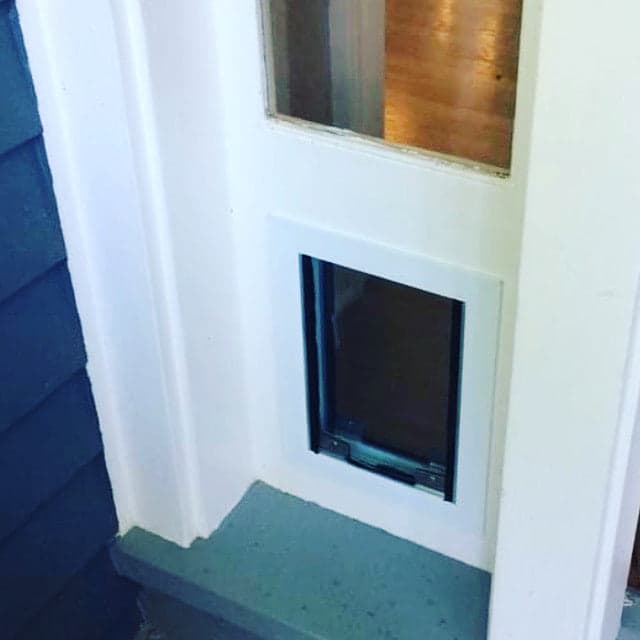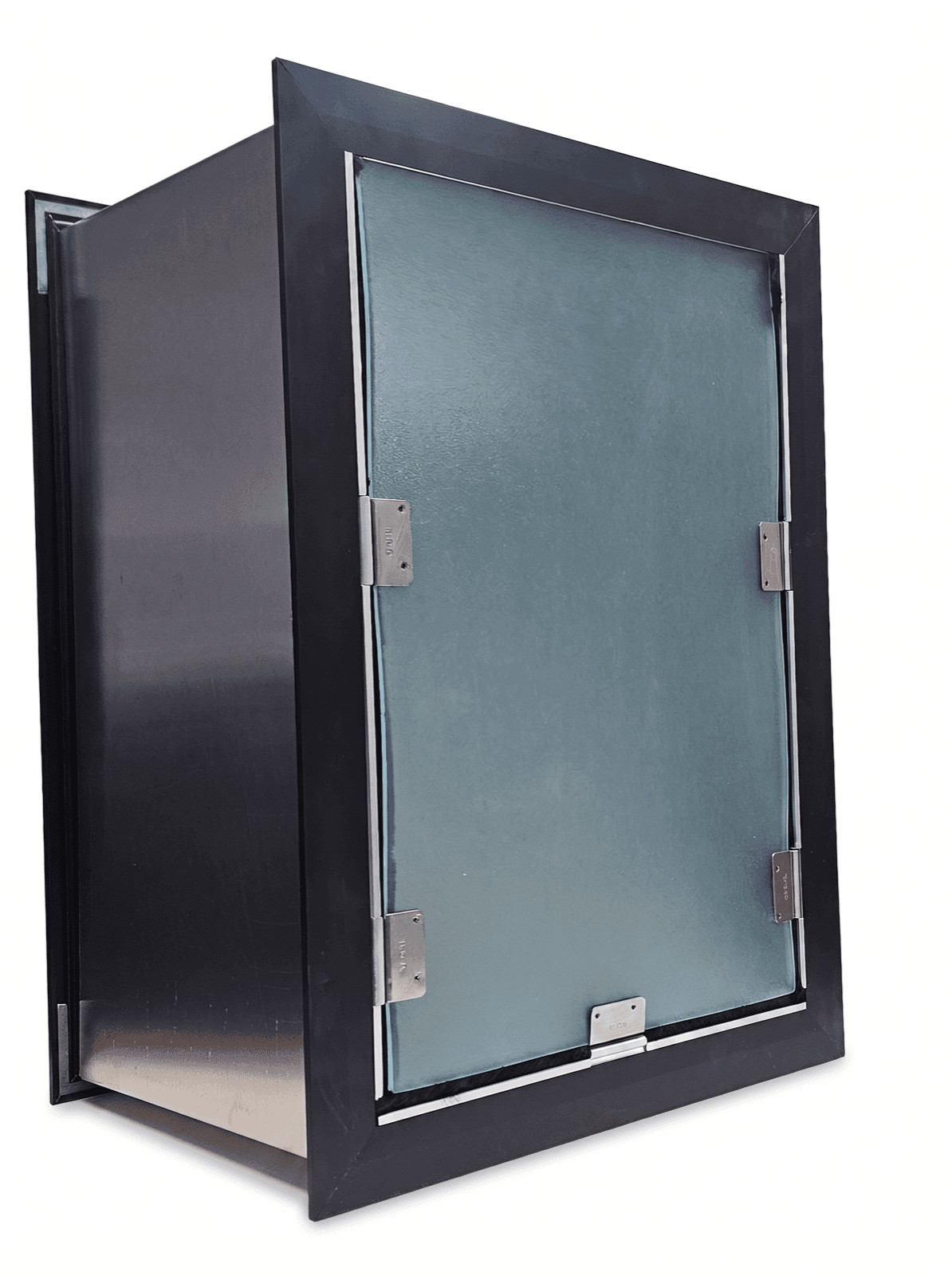
11 photosDoor-Mounted Pet Door
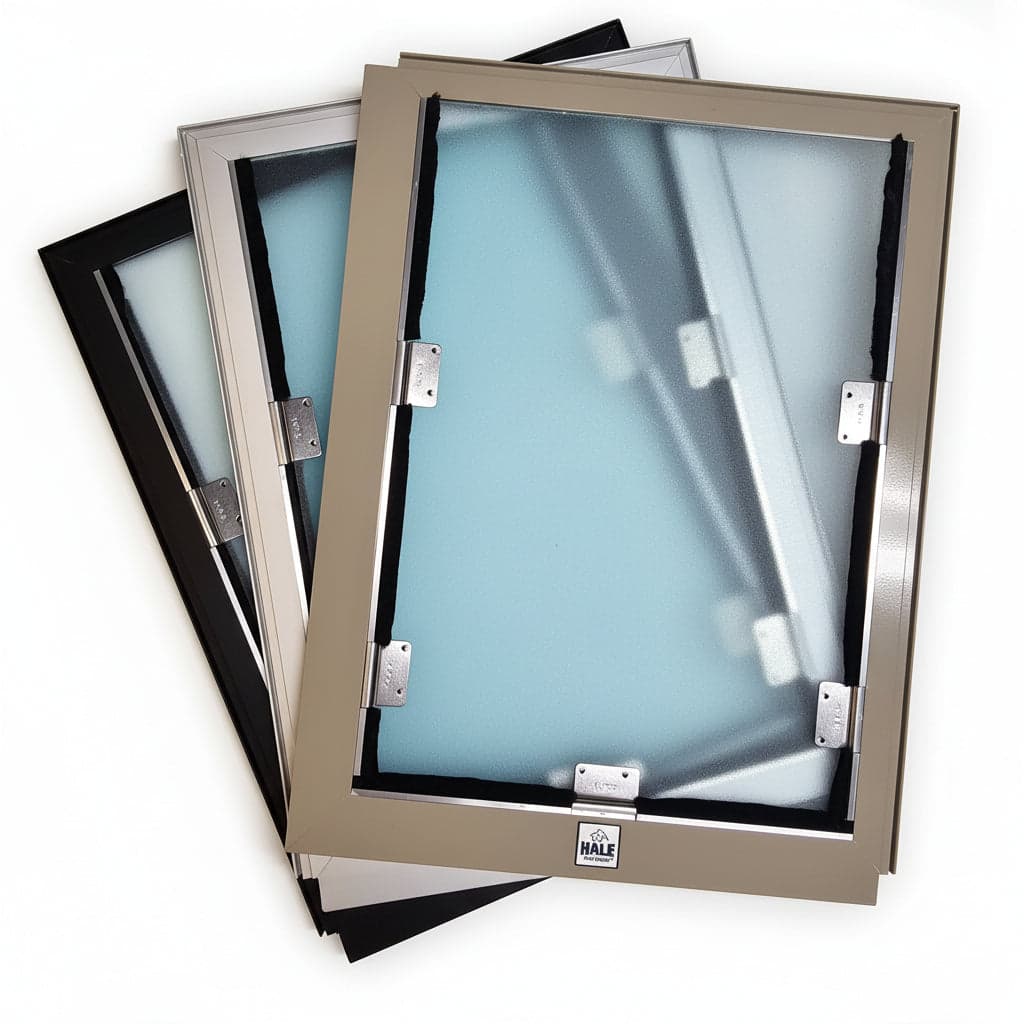
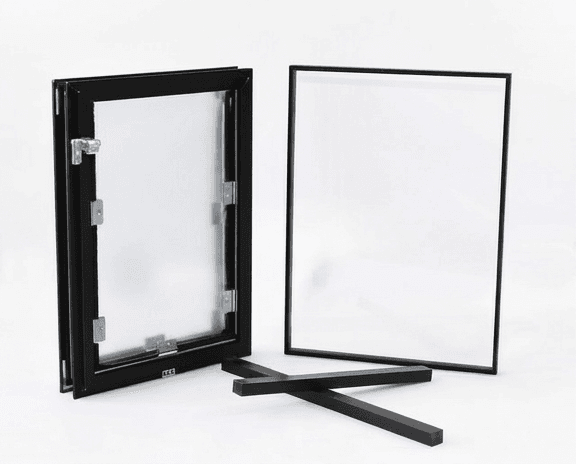
A made-to-order pet door with replaceable service parts, multiple frame colors and configurations for a more precise, lasting fit.
Choose your size →Pet doors sized to the animal provide a better experience than one-size-fits-all openings. This range covers cats, small dogs, multi-pet homes and giant breeds.
Choose the installation model first, then verify pet size, rough opening, frame dimensions, finish and flap package.
11 photosA made-to-order pet door with replaceable service parts, multiple frame colors and configurations for a more precise, lasting fit.
Choose your size →
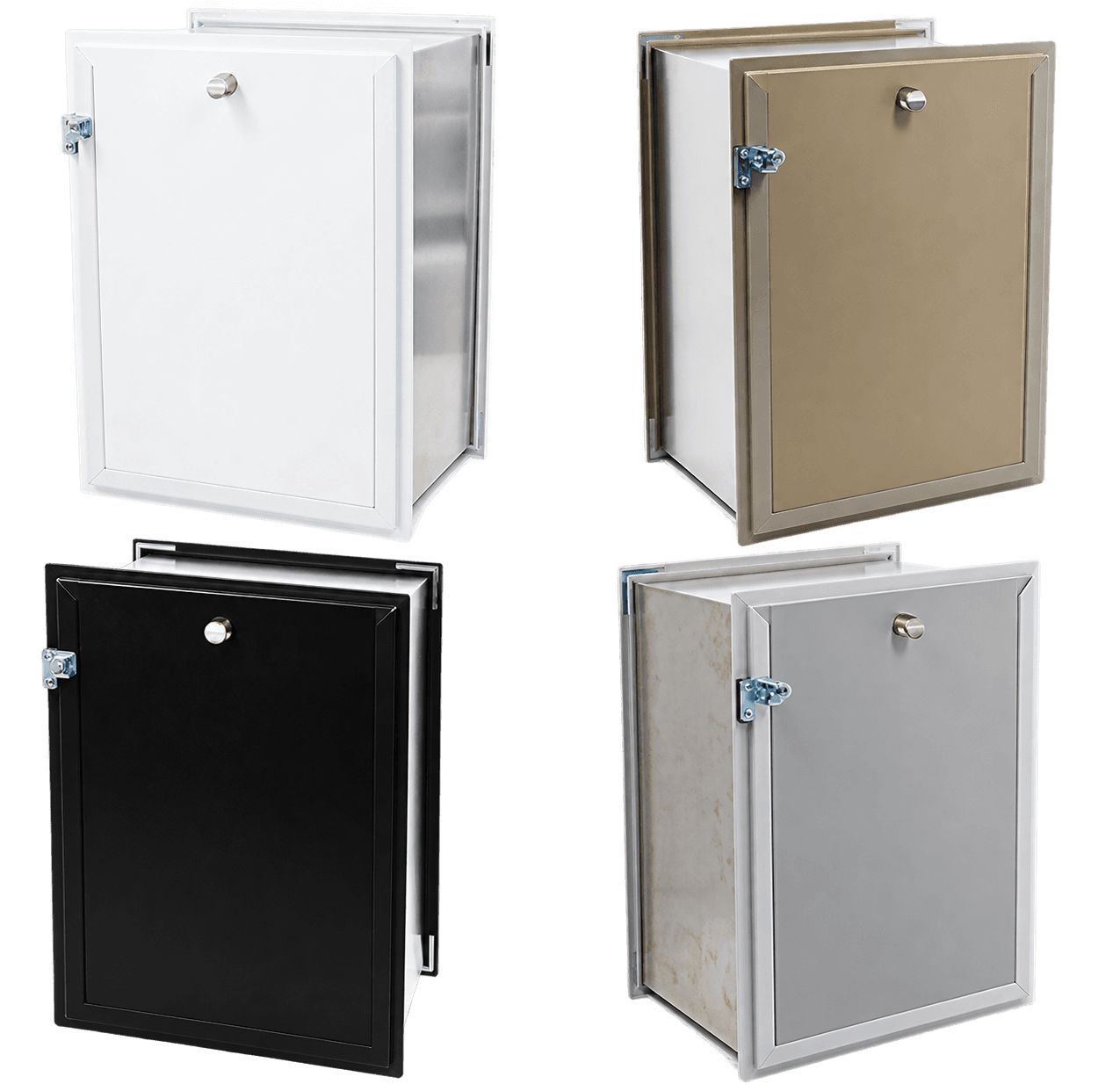
13 photosA made-to-order premium through-wall pet door configured with a tunnel for walls up to 3 inches thick. Choose the pet opening, frame finish, single- or double-flap construction, cover load direction, and optional second…
Choose your size →
13 photosA durable, weather-sealed pet door engineered for a secure through-wall installation and available in a wide range of sizes.
Choose your size →
13 photosA made-to-order premium through-wall pet door configured with a tunnel for walls up to 16 inches thick. Choose the pet opening, frame finish, single- or double-flap construction, cover load direction, and optional…
Choose your size →
8 photosA made-to-order pet door with replaceable service parts, multiple frame colors and configurations for a more precise, lasting fit.
Choose your size →
8 photosA purpose-built pet door for screen enclosures, screen doors and screened porches, sized to fit the pet instead of a generic small/medium/large label.
Choose your size →
8 photosA purpose-built pet door for screen enclosures, screen doors and screened porches, sized to fit the pet instead of a generic small/medium/large label.
Choose your size →
3 photosA made-to-order pet door with replaceable service parts, multiple frame colors and configurations for a more precise, lasting fit.
Choose your size →
5 photosA made-to-order pet door with replaceable service parts, multiple frame colors and configurations for a more precise, lasting fit.
Choose your size →
6 photosA durable, weather-sealed pet door engineered for a secure through-wall installation and available in a wide range of sizes.
Choose your size →For multi-pet households, size the opening for the largest pet while keeping the step-over low enough for the smallest. The sizing guide explains how to balance flap height and mounting height.
Select the product based on where it will be installed, not only on the pet. Wall depth, door thickness, glass type and screen construction affect the required model.
Choose the pet-door family from the building surface and the animals that will use it. Cats, small dogs, large dogs and mixed-pet households can share a model only when the opening and step-over suit every user.
Pet Doors should be shortlisted in a fixed order: installation surface, pet fit, available frame space, exposure, flap package and finish. That order prevents a color or feature preference from pushing the project toward the wrong construction family. Door models clamp through compatible hinged panels; wall models add a tunnel through the full assembly; screen models support mesh; in-glass models belong in professionally fabricated glass; kennel and pass-through frames address their own use cases. Once the family is correct, the configurator can narrow the exact size, color and flap combination without mixing incompatible parts.
Measure each animal and size to the largest required passage without making the step-over unnecessarily high for the smallest or oldest pet.
A useful sizing record contains more than weight. Measure shoulder height while the pet stands naturally, body width at the widest point and the step-over the animal can manage without jumping. Observe older pets and multi-pet households carefully. The clear flap opening answers whether the animal fits; the rough opening answers what must be cut; the frame tip-to-tip answers whether the completed product fits the available surface. Keep those three dimensions labeled so one is never substituted for another.
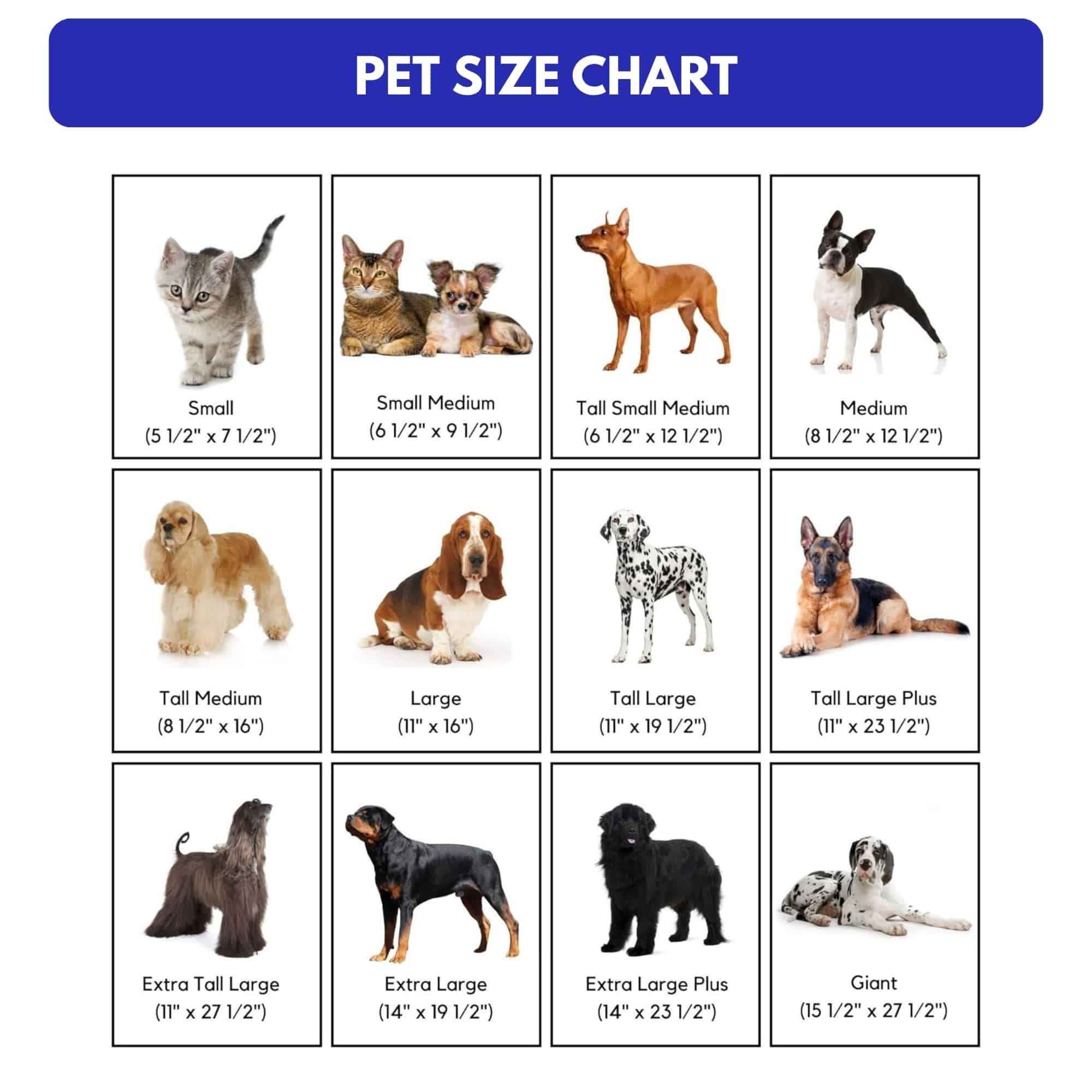
Dog Doors Depot carries 11 standard flap sizes from Small Medium through Giant, including tall intermediate sizes that separate height from width. Use the individual animal rather than the label as the decision-maker. After the clear opening is selected, compare the exact product variant because model families can use different frame, tunnel and cutout relationships. If every standard choice creates a meaningful compromise, use the custom-size workflow and keep the submitted dimensional basis attached to the order.
Use a door model for a compatible hinged panel, a tunnel model for a finished wall, a supported screen system for mesh, and a professionally fabricated in-glass assembly for glass.
Before purchase, photograph both sides of the proposed location and note thickness, panel shape, nearby hardware, trim, outlets, plumbing fixtures and exterior exposure. Compare that evidence with the model instructions. A product can be the right size for the pet and still be impossible to mount where first imagined. Moving the opening slightly, choosing a different surface or using a qualified trade may be better than altering structure or hardware to force the original plan.
Exterior openings benefit from deliberate flap, weather and cover choices; interior pass-throughs often prioritize low resistance and simple access instead.
Evaluate the door as a serviceable system. Flexible flaps, magnets, strikes, weather strip, covers and locks may receive more wear than the rigid frame. Record the model, named size, flap count, finish and SKU after installation so future parts can be matched accurately. Clean moving surfaces with compatible products, keep tracks and magnets free of debris and inspect exterior seals. That routine preserves closing behavior and makes a future repair faster than re-identifying an unlabeled opening years later.
Do not assume every pet door is designed for every surface. Similar-looking frames can have different tunnel depth, mounting and sealing requirements.
A strong preflight is deliberately repetitive: measure again, check the dimensional label, compare both faces of the opening and read the exact manual. Confirm that the host door, wall, screen, glass or kennel panel remains safe and functional after the cutout. Record uncertainty instead of converting it into a guess. If structure, utilities, ratings, glass type or water management are unclear, pause the product decision and have the appropriate installer or trade verify the condition. That short review is less expensive than correcting an incompatible made-to-order frame.
Move from shortlist to order only after four checks agree. The pet fits the clear opening; the building can accept the rough opening and full frame; the selected model matches the surface and thickness; and the flap, finish, cover and accessory choices match the intended use. Save the product page and model instructions with a labeled measurement sheet. For multiple openings, give each location its own ID and configuration. Review every line before submitting because made-to-order dimensions and options should not be inferred from another opening or corrected after fabrication begins.
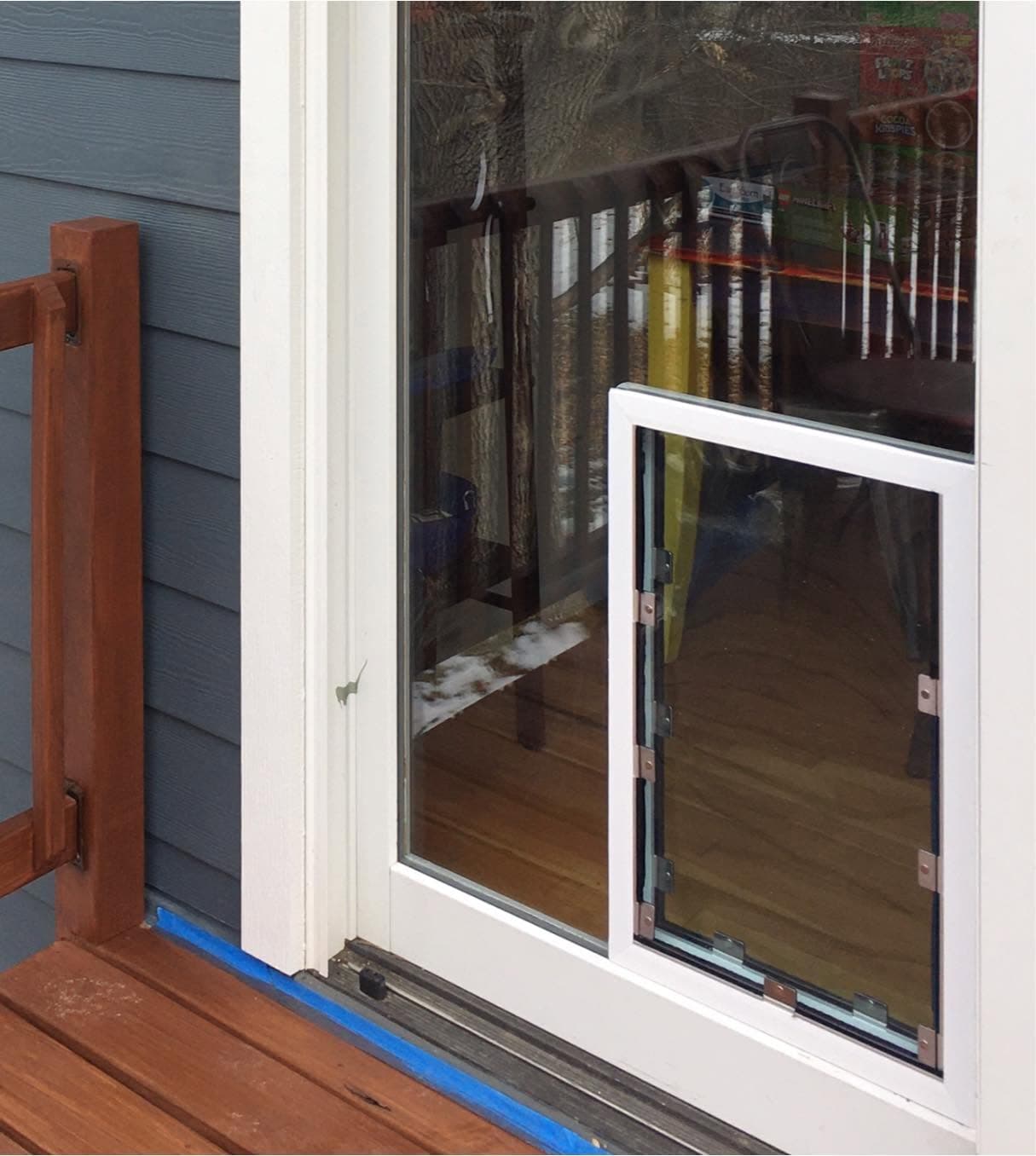
Read the finished configuration back as a complete sentence before approving it: model family, named size or custom dimensions, measurement basis, frame finish, flap count, installation surface, finished thickness and mounting location. Then compare that sentence with the cart, worksheet and installer scope. This catches a correct measurement attached to the wrong model or a correct product attached to the wrong opening. When two pets share the door, confirm the widest body, tallest shoulder and lowest comfortable step-over still work together. Photograph the taped frame outline and keep that image with the order so the installer can verify placement before cutting.
Create a one-page record with the installation location, model family, named size, flap opening, rough opening, outer frame, finish, flap count and final SKU. Add photos before and after installation and keep the product instructions with the receipt. That record connects the pet, building and purchased configuration. It also prevents a future owner or service person from guessing whether the opening uses a door, wall, screen, glass, kennel or pass-through component when ordering a flap, cover, magnet or other replacement.
Before submitting a made-to-order request, make sure the saved measurements tell one clear story: which pet was measured, what each dimension represents, where the door will be installed, and which options were selected. If the project requires a contractor or glass professional, keep that person’s verified construction dimensions beside the pet measurements so neither set is mistaken for the other. A complete record makes the order easier to confirm now and makes future flap, cover, lock or weather-strip service much easier.
Keep the measurement sheet, exact product page and installation manual together through ordering and installation.
Choose the pet-door family from the building surface and the animals that will use it. Cats, small dogs, large dogs and mixed-pet households can share a model only when the opening and step-over suit every user.
Measure each animal and size to the largest required passage without making the step-over unnecessarily high for the smallest or oldest pet.
Use a door model for a compatible hinged panel, a tunnel model for a finished wall, a supported screen system for mesh, and a professionally fabricated in-glass assembly for glass.
Exterior openings benefit from deliberate flap, weather and cover choices; interior pass-throughs often prioritize low resistance and simple access instead.
Choose the pet-door family from the building surface and the animals that will use it. Cats, small dogs, large dogs and mixed-pet households can share a model only when the opening and step-over suit every user. Pet Doors should be shortlisted in a fixed order: installation surface, pet fit, available frame space, exposure, flap package and finish. That order prevents a color or feature preference from pushing the project toward the wrong construction family. Door models clamp through compatible hinged panels; wall models add a tunnel through the full assembly; screen models support mesh; in-glass models belong in professionally fabricated glass; kennel and pass-through frames address their own use cases. Once the family is correct, the configurator can narrow the exact size, color and flap combination without mixing incompatible parts.
Measure each animal and size to the largest required passage without making the step-over unnecessarily high for the smallest or oldest pet. Check the clear flap opening for the pet, the rough opening for the cut and the tip-to-tip frame for the available mounting area.
Use a door model for a compatible hinged panel, a tunnel model for a finished wall, a supported screen system for mesh, and a professionally fabricated in-glass assembly for glass. The exact product instructions and selected SKU should be available before any permanent opening is made.
Exterior openings benefit from deliberate flap, weather and cover choices; interior pass-throughs often prioritize low resistance and simple access instead. Record the model and size, keep moving surfaces clean and replace only verified compatible service parts.
Measure from the floor to the top of your pet’s shoulders and measure the widest point of the body. The flap should generally sit about 1–2 inches above the shoulders, with a comfortable step-over height. Use the actual pet measurements rather than breed averages.
Yes. Frame color, flap count, size and installation type are selected for your opening. Review the measurements and selected configuration carefully before submitting an order.
Yes. Replacement flaps, flap kits, magnets, weather stripping, locks and covers are available. Match the replacement part to the original pet-door size and model.