Door-Mounted Pet Door
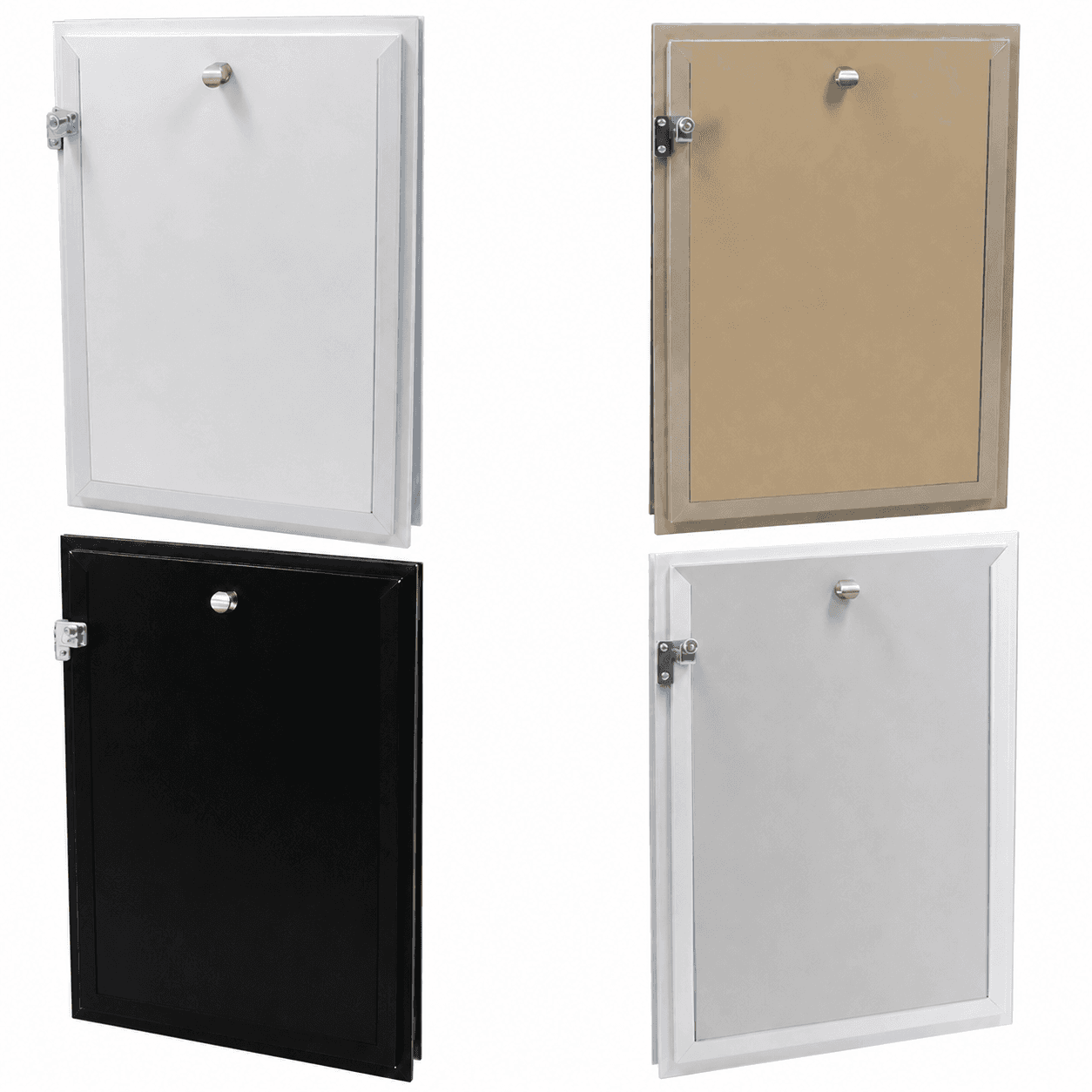
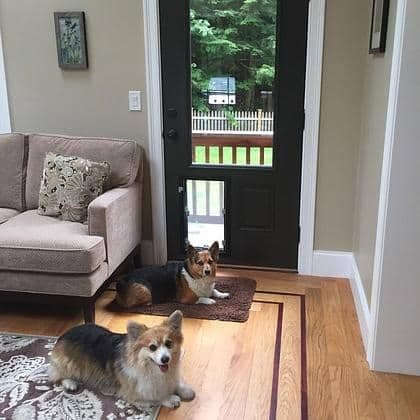
Classic hinged-door install with 11 pet openings, serviceable flaps and multiple frame colors.
Add to bagFrom $224A well-sized cat door uses a compact opening and a manageable step-over so the cat can pass through naturally.
Showing 5 products, sorted by featured.
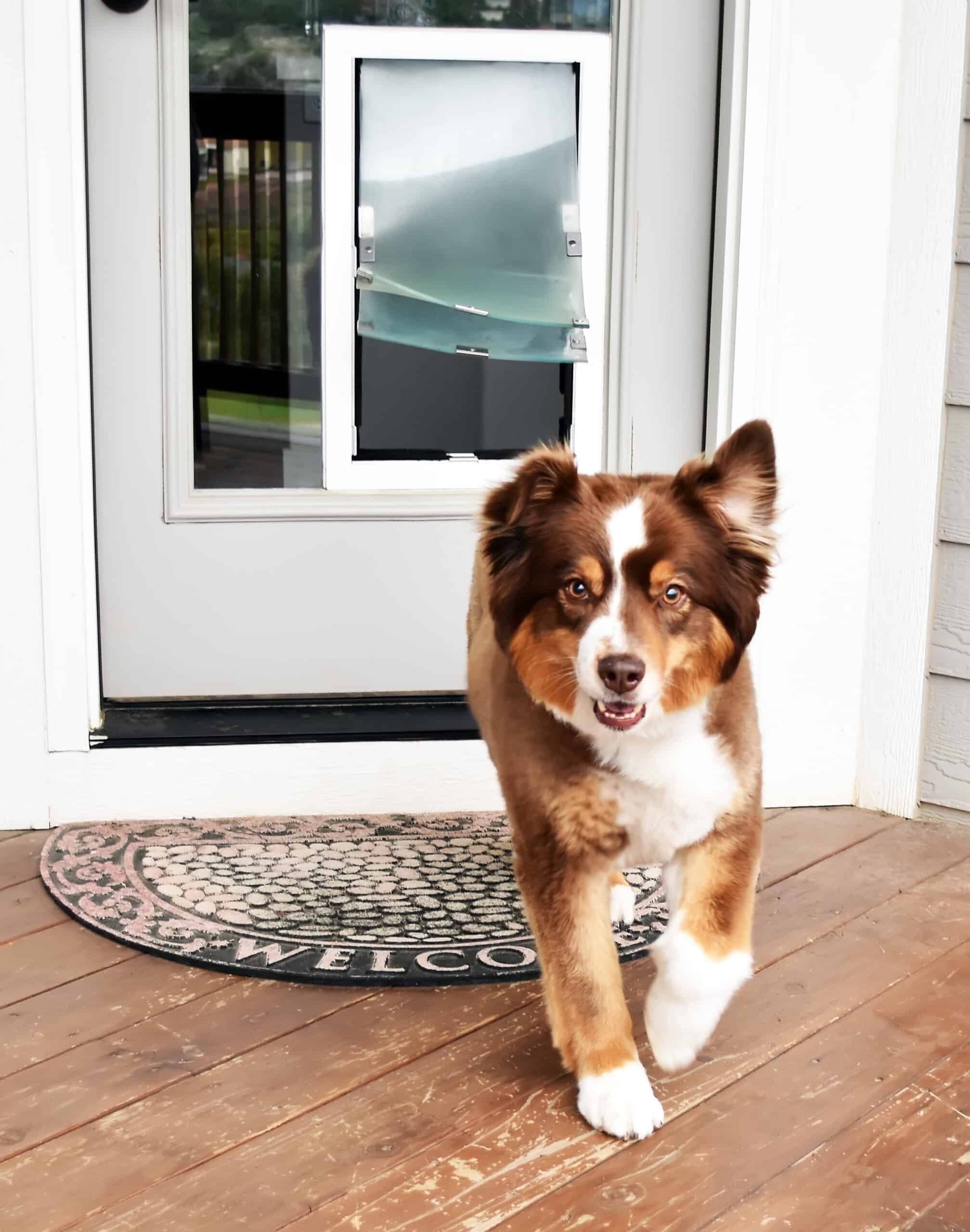
Classic hinged-door install with 11 pet openings, serviceable flaps and multiple frame colors.
Add to bagFrom $224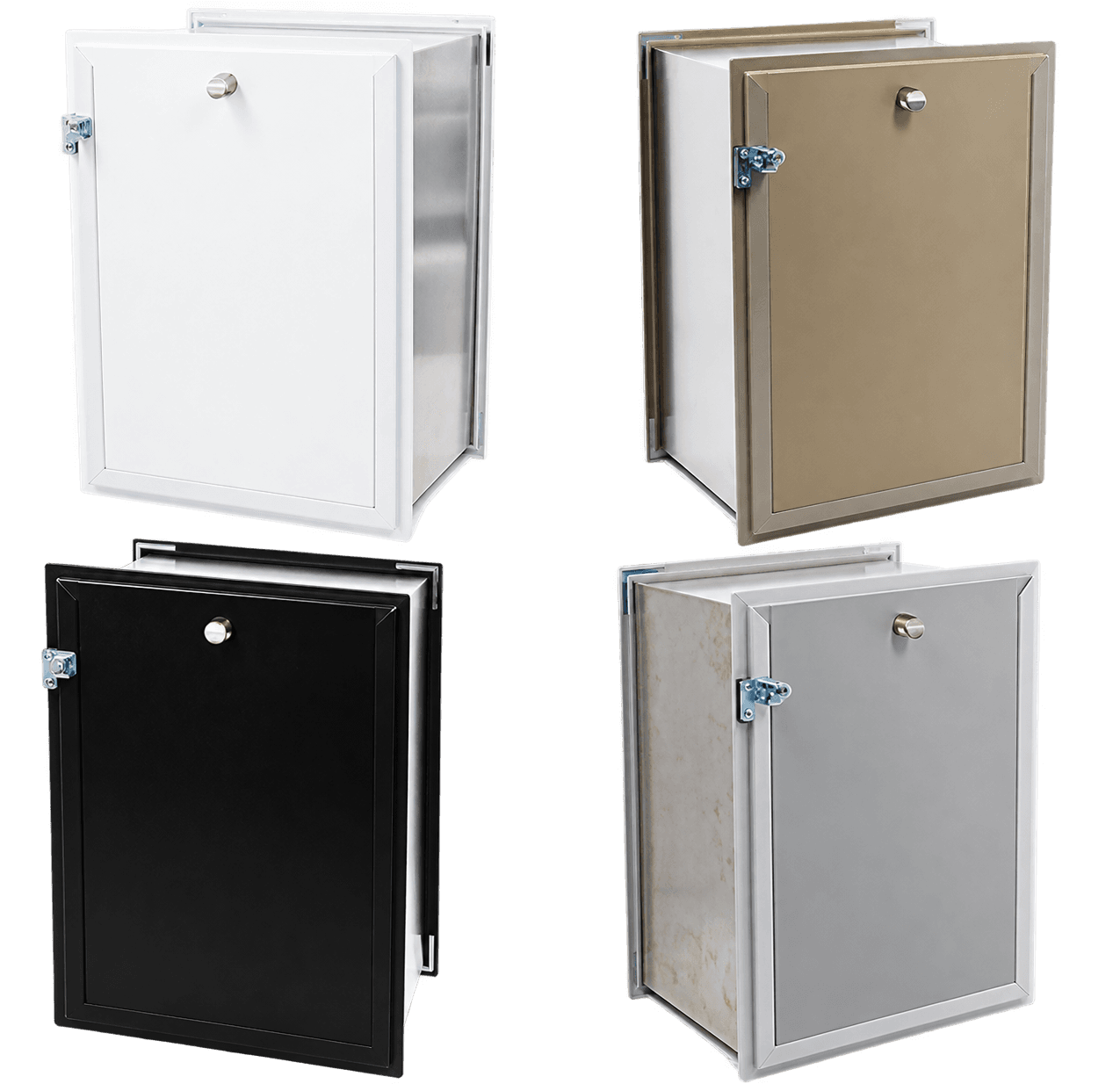
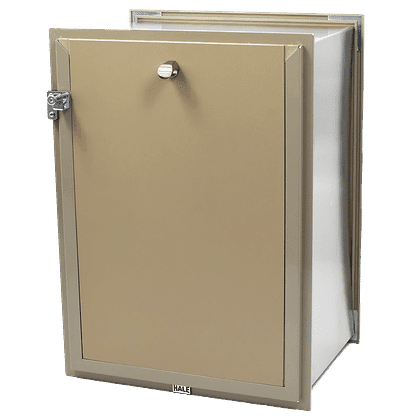
Through-wall pet door for 4–10 in. walls with tunnel depth, finish and flap options.
Add to bagFrom $279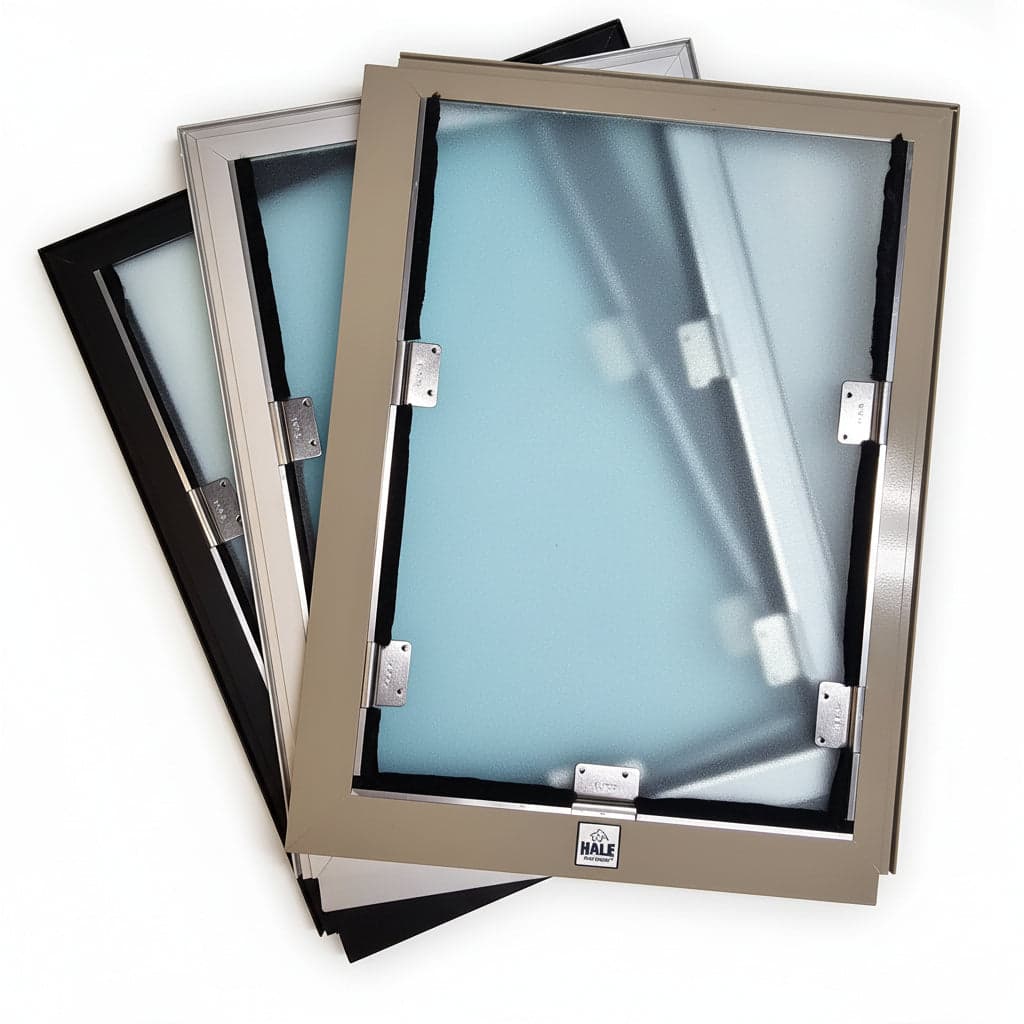
Lightweight screen access for patios, porches and mesh doors that need a stable fit.
Add to bagFrom $155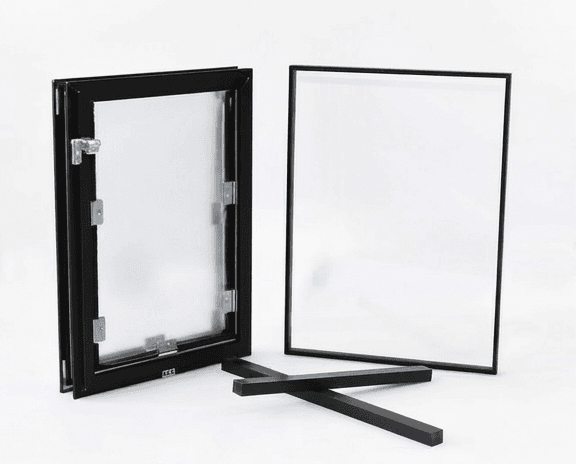
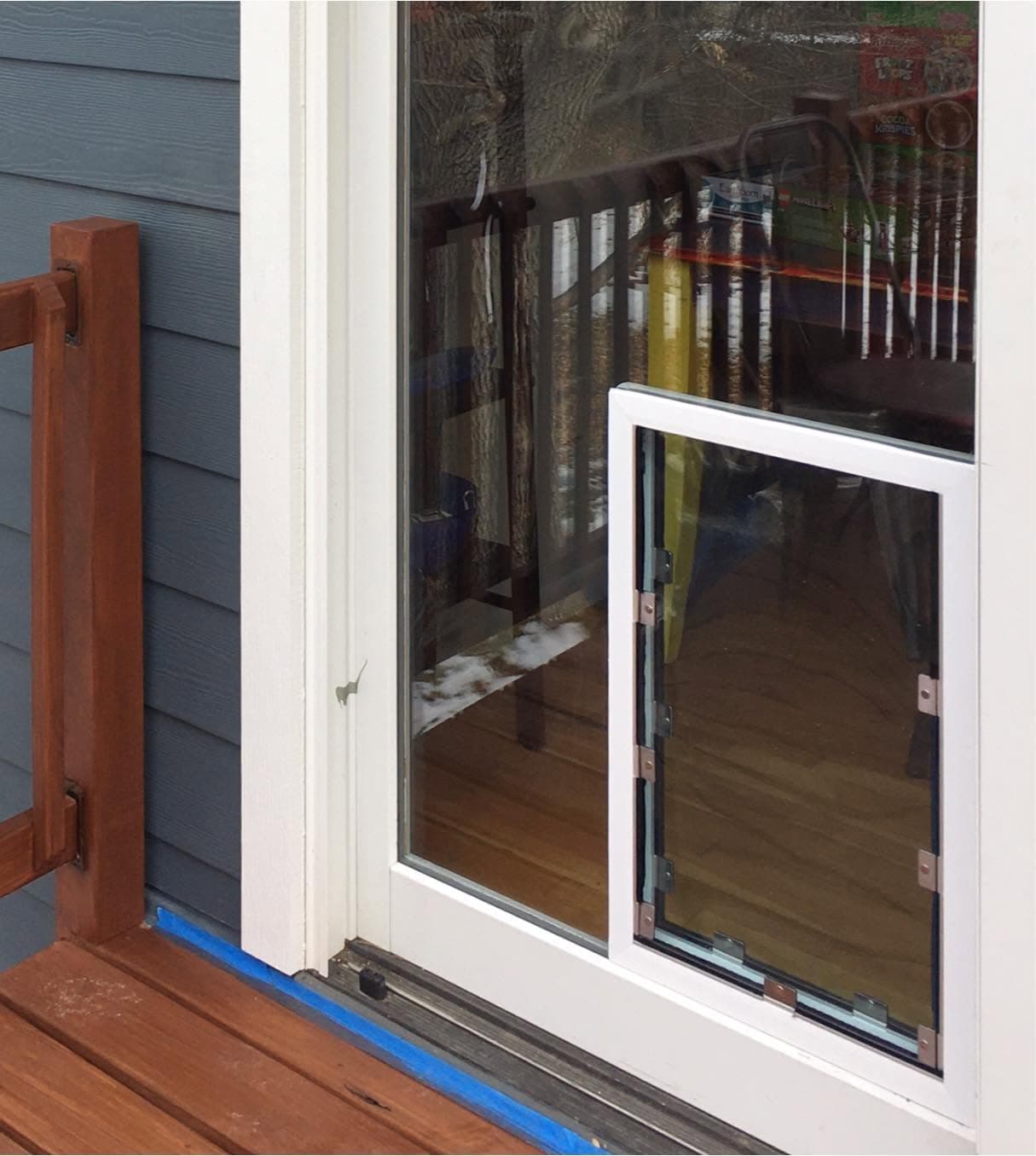
Made-to-order glass panel solution for sliders, patio doors and large window-style openings.
Add to bagFrom $167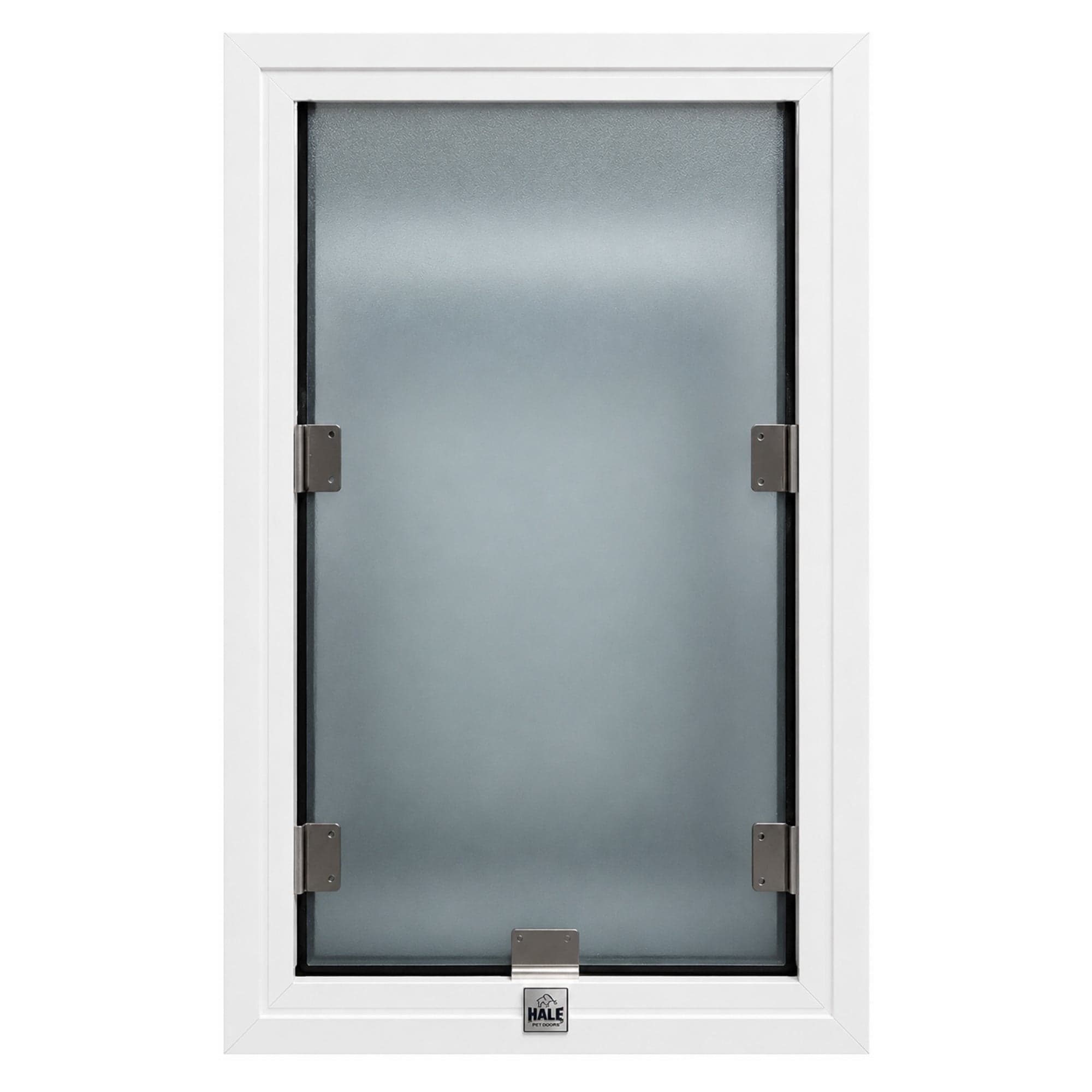
Flexible screen-door option for common patio and porch openings.
Add to bagFrom $155Start with the pet, the opening and the conditions around it. Then compare the details that make the installation comfortable, durable and easy to service.
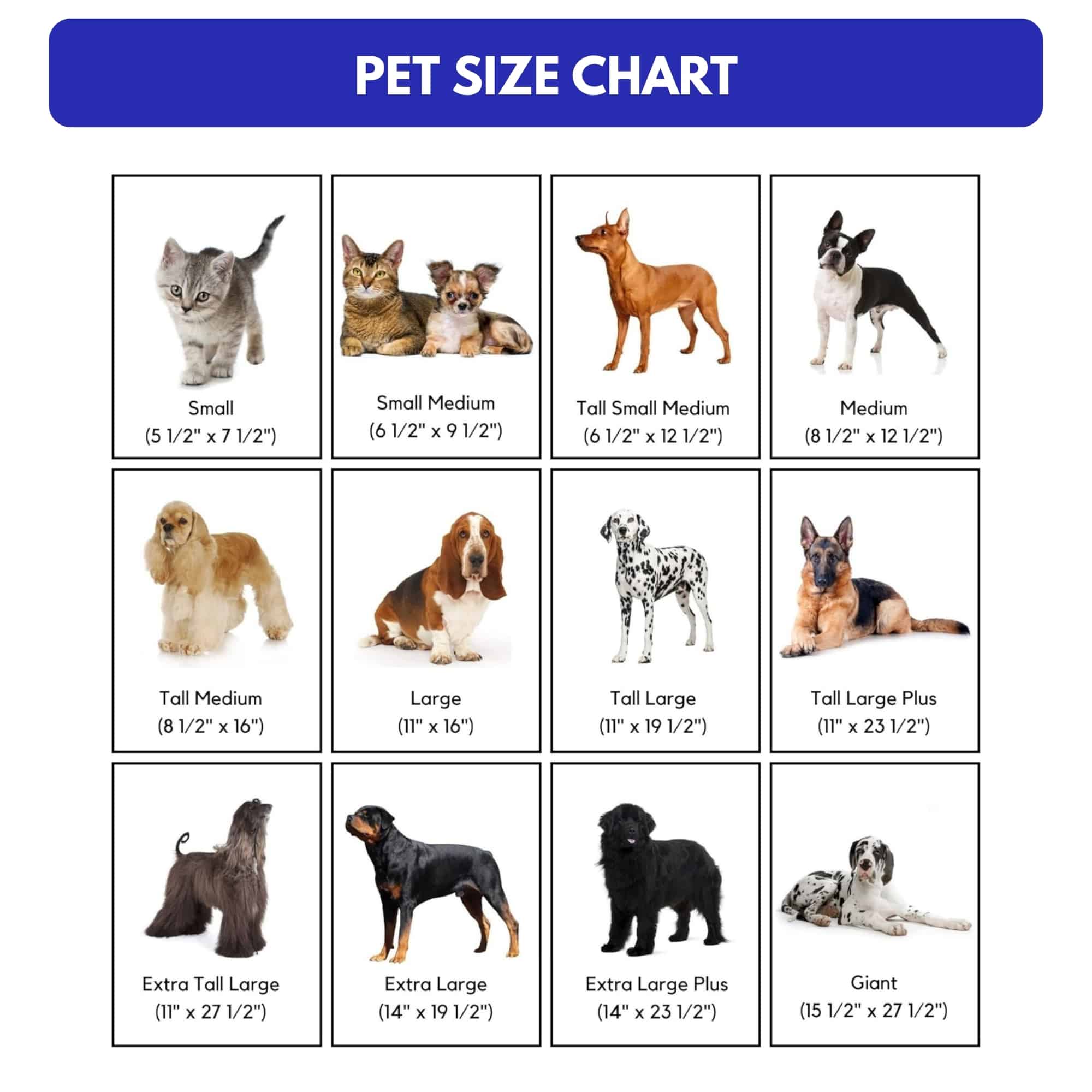
Measure the cat’s body width and shoulder height instead of relying only on weight.
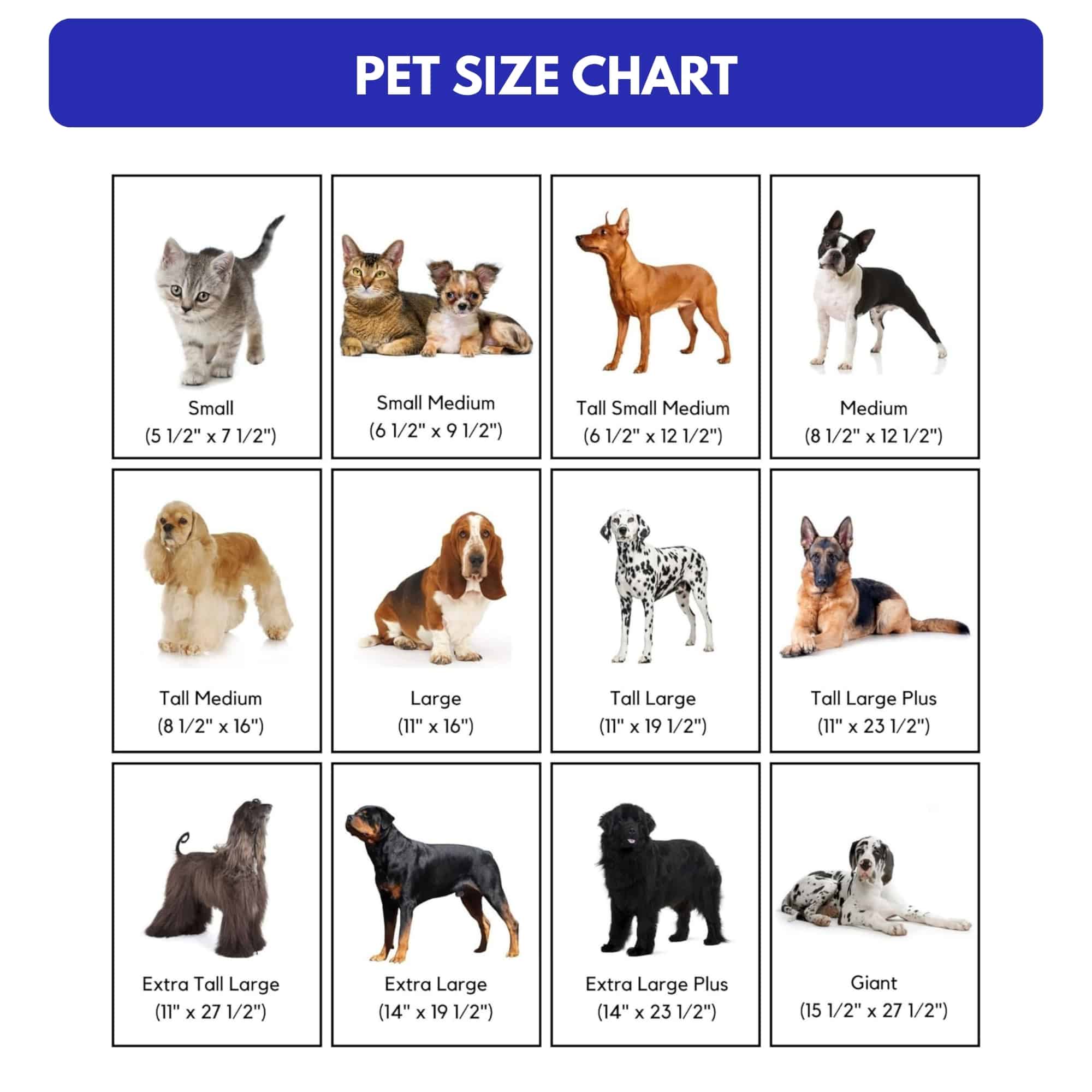
Measure shoulder height and body width with the cat standing naturally.
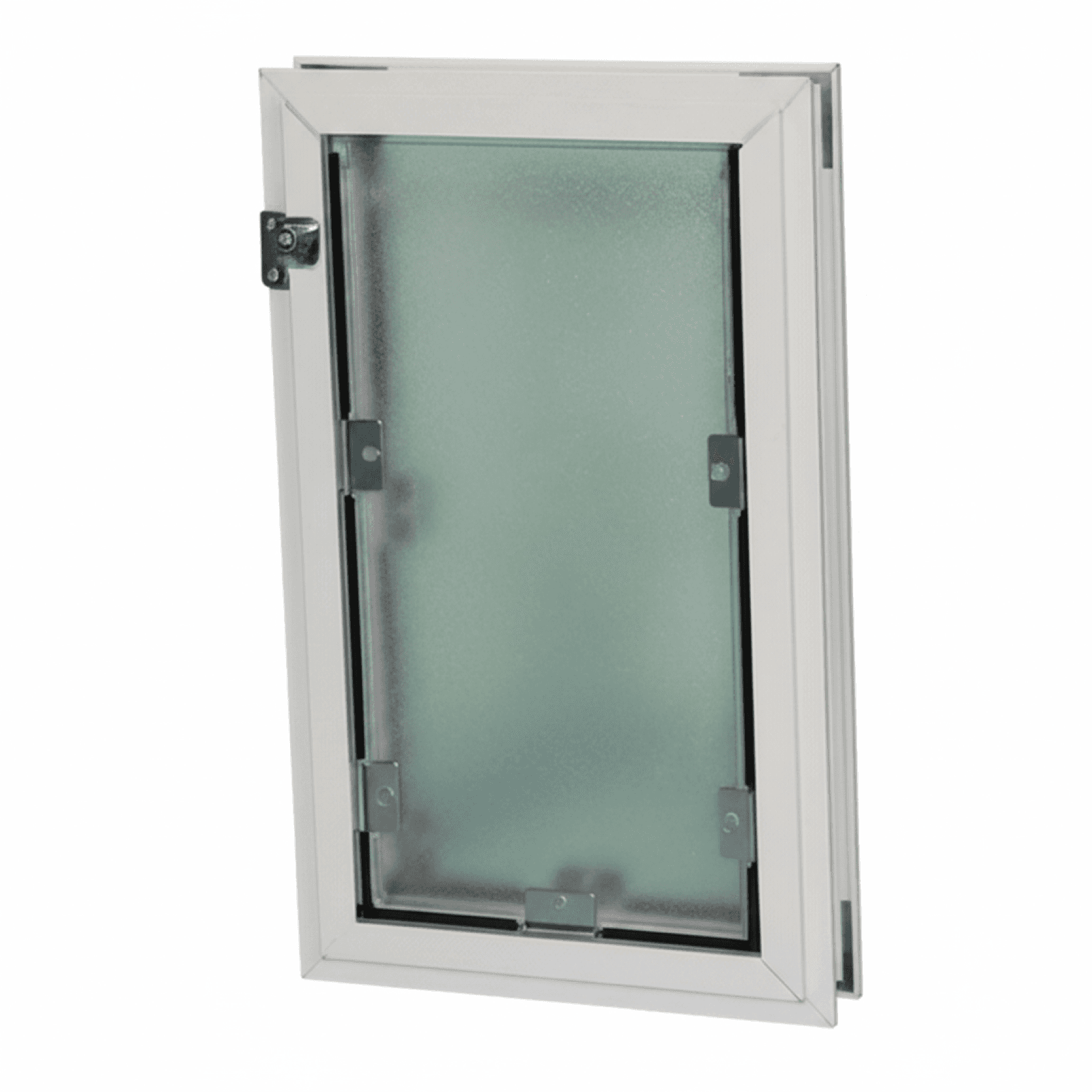
Choose a calm, accessible route and verify the frame has enough flat mounting area.
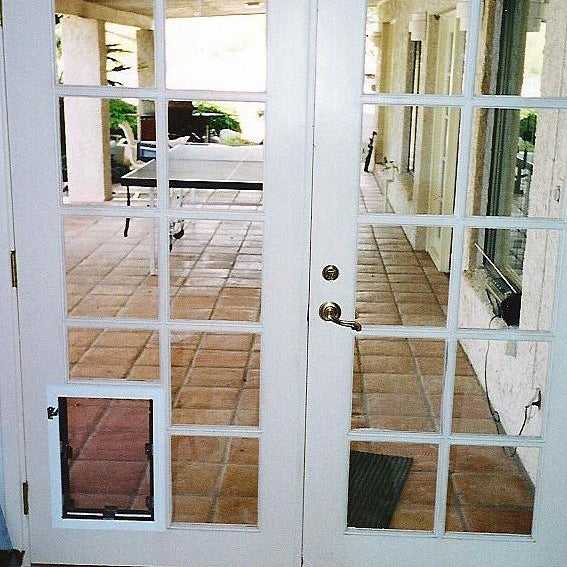
A single flap may be easier for a hesitant cat to learn, while an exterior location may justify a double-flap configuration once the cat can push both panels comfortably.
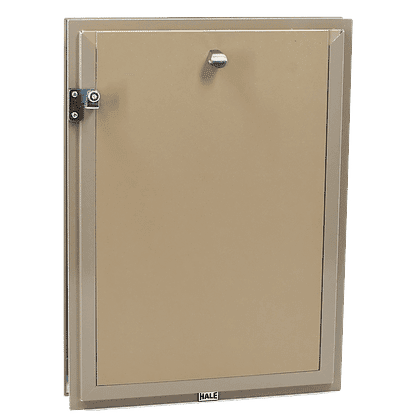
Do not size only from weight, and do not mount the bottom of the opening so high that the cat must jump through it on every trip.
Move from shortlist to order only after four checks agree.
Prioritize low step-over and manageable flap resistance while keeping the opening only as large as the individual cat needs. Placement and quiet operation often matter as much as nominal size.
Measure shoulder height and body width with the cat standing naturally. Senior cats, short-legged cats and cats with limited mobility may need a lower installation even when the flap itself is correctly sized.
Choose a calm, accessible route and verify the frame has enough flat mounting area. Screen and glass installations require their purpose-built systems rather than a generic door frame.
A single flap may be easier for a hesitant cat to learn, while an exterior location may justify a double-flap configuration once the cat can push both panels comfortably.
Use the sizing quiz for a guided recommendation, or return to the products above with your measurements in hand.