
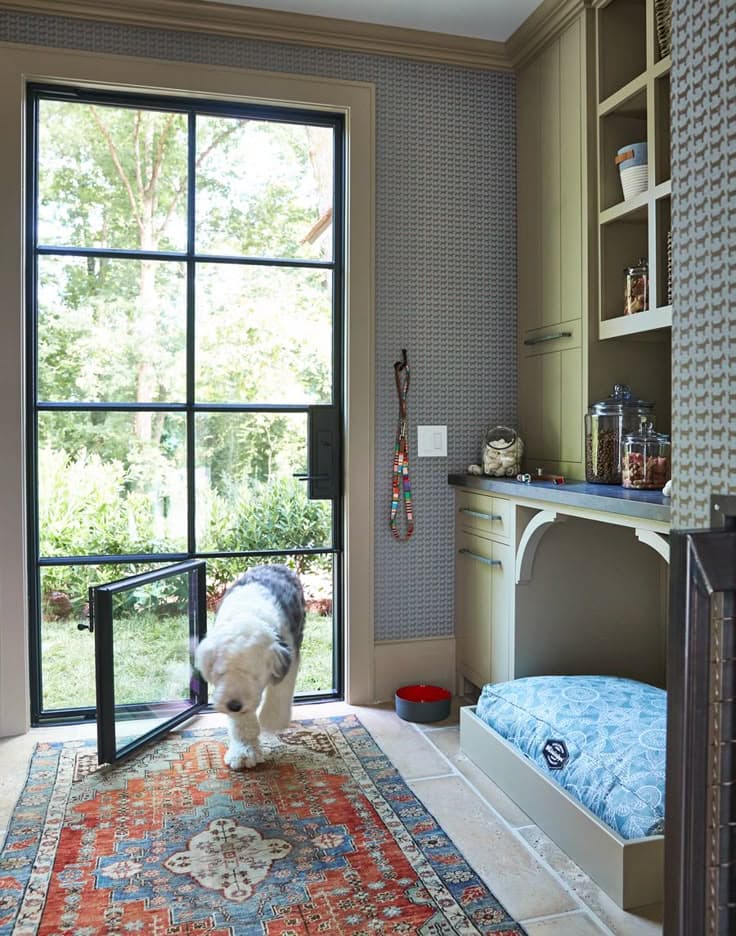
An in-glass pet door is a professional glass-fabrication project, not a normal do-it-yourself cutout. Tempered and insulated glass generally cannot be cut safely after manufacture. A qualified glass professional should identify the existing panel construction, measure the opening, order or fabricate a compatible replacement panel with the correct prepared opening, and install the finished assembly. Do not attempt to drill or cut an installed tempered or insulated panel.
Start by choosing which glass panel will contain the pet door. On a sliding door, panel selection affects the remaining walk-through width, the screen, locks and the direction of travel. On a fixed panel, verify that the pet has safe access on both sides and that the frame, sill and nearby wall do not interfere with the outer pet-door frame. Consider step-over, exterior grade, stairs and patio furniture as well as the clear flap size.
The glass professional needs the exact in-glass model information, selected pet-door size, dedicated glass cutout dimension and required clearances. Flap opening, door-model rough opening and outer frame size are not substitutes for the in-glass fabrication dimension. Record whether the replacement is single-pane or an insulated glass unit and confirm glass thickness, spacer, coatings, safety requirements and edge clearances with the fabricator. The finished panel should be ordered from verified shop drawings rather than a verbal width-and-height pair.
When the new panel arrives, inspect it before installation. Confirm the pet-door model, frame finish, flap count, cutout placement and overall panel dimensions. The glass professional should install and glaze the panel using methods compatible with the original door or window system. The pet-door frame must sit square and the glass must not be forced to compensate for an incorrect opening.
After installation, operate the sliding or hinged unit, locks and screen through their full travel. Cycle both pet-door flaps and the security cover. Check interior and exterior perimeter seals, observe the first weather event and retain the glass order, panel drawing, pet-door SKU and installation photographs for future service.